What’s That Smell Coming From Your Sink?
You walk into your bathroom or kitchen and notice an unpleasant smell coming from the sink. It smells like sewage, but everything seems to be working normally.
Does that mean something is wrong with your sewer line?
Not necessarily. Many sink odors come from simple problems you can fix yourself in just a few minutes. Others may indicate an issue with the drain or plumbing vent system.
Before buying drain cleaner or calling a plumber, here are six common causes and how to figure out which one you’re dealing with.
1. A Dry P-Trap
Most common in guest bathrooms, laundry rooms, and rarely used sinks.
Look underneath your sink. See that curved section of pipe? That’s called a P-trap.
It holds a small amount of water that creates a barrier between your home and sewer gases. Without that water, unpleasant odors can travel directly through the drain.
If you haven’t used a sink for several weeks, the water inside the trap may have evaporated.
How to fix it
- Turn on the faucet.
- Let the water run for 30–60 seconds.
- Wait a few minutes.
- Check whether the smell disappears.
If the odor goes away, you’ve probably found the problem.
Helpful tip: Run water periodically in sinks, showers, and floor drains you rarely use. This helps maintain the water seal inside their traps.
If the smell returns quickly despite regular use, the trap may be losing its water seal for another reason.
2. Buildup Inside the Drain
Most common in bathroom sinks and kitchen drains.
Hair, toothpaste, soap residue, and other organic material can accumulate inside drain pipes.
Over time, bacteria break down this buildup and create unpleasant smells. Sometimes the odor resembles sewer gas even though the problem is simply a dirty drain.
How to fix it
- Remove the sink stopper if possible.
- Clean off any accumulated hair and residue.
- Use a small drain-cleaning brush to remove accessible buildup.
- Rinse the drain thoroughly with warm water.
If the smell remains, you may need to clean the P-trap.
Place a bucket underneath the trap, carefully disconnect its removable fittings, and clean the inside. Reassemble everything and run water while checking for leaks.
Important: Avoid opening the drain if you’ve recently used a chemical drain cleaner. Residual chemicals can cause serious burns.
3. A Dirty Garbage Disposal
Most common in kitchen sinks.
Garbage disposals are convenient, but small food particles can become trapped around the rubber splash guard and inside the grinding chamber.
Those leftovers can produce surprisingly strong odors.
How to fix it
- Disconnect power to the garbage disposal.
- Clean the rubber splash guard, including its underside, using dish soap and a brush.
- Remove accessible food residue without placing your hands inside the grinding chamber.
- Restore power after reassembling any removed components.
- Flush the disposal with cold water according to the manufacturer’s instructions.
If the smell disappears, the problem was probably food buildup rather than your sewer system.
4. A Plumbing Vent Problem
Possible signs include gurgling drains and sewer odors that come and go.
Your plumbing system needs air to work properly.
Vent pipes help balance pressure inside the drainage system. Without proper venting, draining water can create pressure changes that interfere with the water seals in nearby traps.
For example, you might notice your bathroom sink making a gurgling sound when someone flushes the toilet.
What to look for
- Gurgling noises when water drains.
- Slow drainage in multiple fixtures.
- Water levels changing in nearby traps or toilets.
- Sewer odors that appear after using another fixture.
These symptoms don’t automatically mean the vent is blocked. A partial drain blockage can produce similar problems.
What you can do: Pay attention to which fixtures are affected and when the symptoms occur. This information can help identify the problem.
Vent inspections may require roof access or specialized equipment, so avoid attempting to inspect an unfamiliar roof vent yourself.
5. A Loose or Damaged Drain Connection
Sometimes the odor isn’t coming from the sink opening. It’s escaping from a damaged or poorly sealed connection underneath the cabinet.
Even a connection that doesn’t visibly drip water can sometimes allow sewer gases to escape.
How to check
- Open the cabinet underneath your sink.
- Use a flashlight to inspect the drain piping.
- Look for loose connections, cracks, stains, or damp areas.
- Place a dry paper towel underneath suspicious fittings.
- Run water and check whether any connections begin leaking.
A loose slip-joint connection may only need to be properly reseated or fitted with a new washer.
Cracked pipes and damaged fittings should be replaced.
After making any repair, run water for several minutes and inspect the connections again.
6. A Sewer Line Problem
More concerning when several drains are affected.
If the smell appears in multiple bathrooms or several drains are slow at the same time, the problem may be farther down your drainage system.
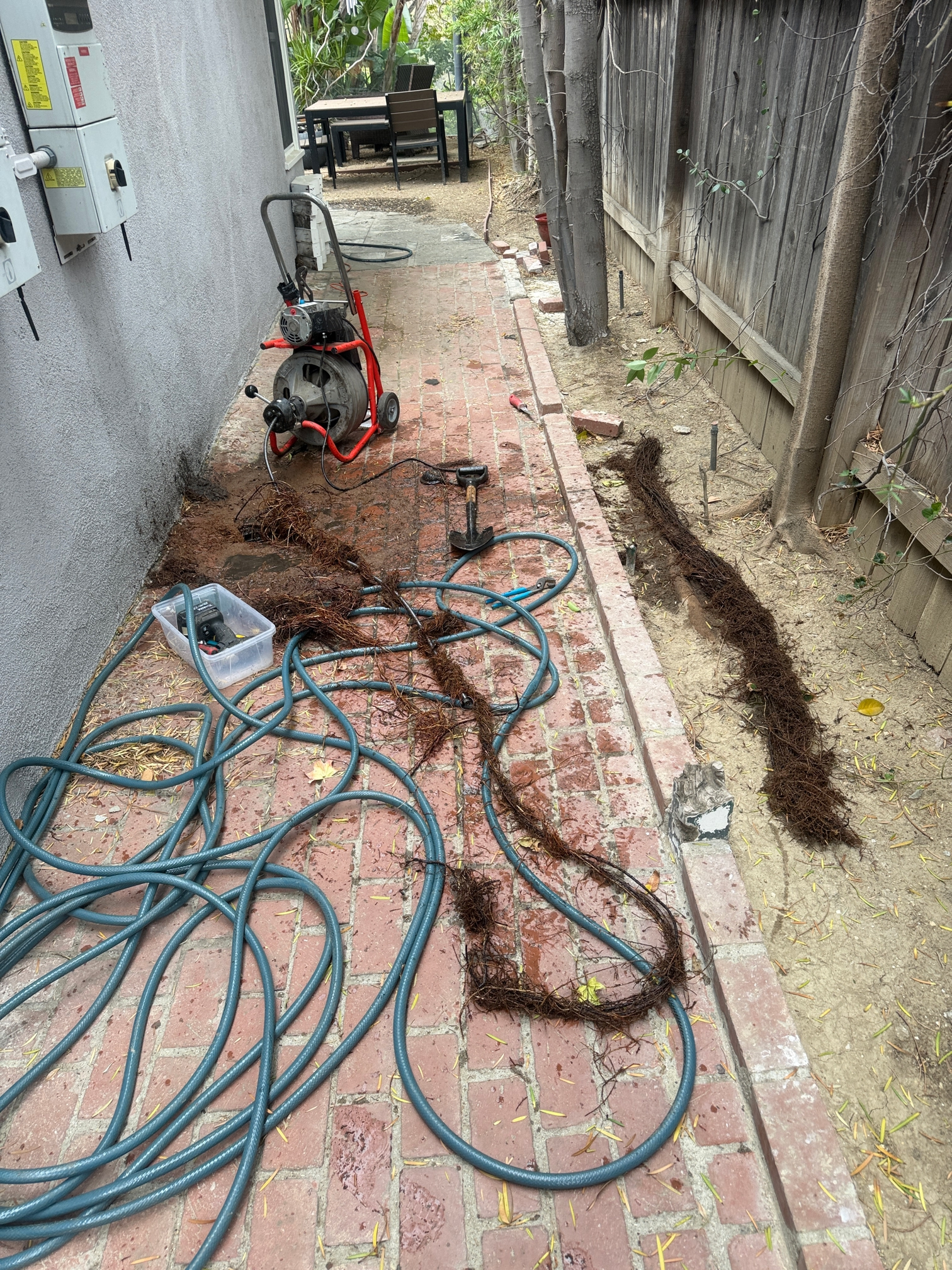
Possible causes include a partial sewer blockage, damaged piping, or tree roots growing into an underground sewer line.
Tree roots are a particular concern for properties with older sewer pipes and mature landscaping.
Warning signs
- Several drains become slow at the same time.
- Toilets gurgle when other fixtures are used.
- Wastewater backs up into a shower or bathtub.
- Sewer odors appear in multiple rooms.
- Drain cleaning helps temporarily, but the problem returns.
If you notice these symptoms, repeatedly pouring drain cleaner into the sink is unlikely to solve the underlying issue.
A sewer camera inspection can help reveal certain blockages, root intrusion, and visible damage inside the pipe.
If wastewater is backing up into your home, stop using the affected plumbing fixtures until the problem is assessed.
How to Find the Source of the Smell
Before taking anything apart, try narrowing down the problem using these clues.
| What You Notice | Possible Cause | What to Try First |
|---|---|---|
| Smell from a rarely used sink | Dry P-trap | Run water for one minute |
| Odor directly from the sink opening | Organic buildup | Clean the stopper and drain |
| Bad smell from a kitchen disposal | Trapped food particles | Clean the splash guard |
| Gurgling and unpleasant odors | Drainage or venting issue | Check which fixtures are affected |
| Smell inside the sink cabinet | Loose or damaged drain connection | Inspect fittings and seals |
| Several slow drains and sewer odors | Main drain or sewer issue | Arrange a plumbing inspection |
Should You Pour Bleach Down a Smelly Drain?
It’s tempting to pour bleach or a strong chemical cleaner down the sink and hope the smell disappears.
But that’s usually not the best approach.
Bleach might temporarily reduce some odors, but it won’t remove a hair clog, repair a damaged pipe, or restore the water seal in a dry P-trap.
It can also create dangerous fumes if mixed with other cleaning products.
Never mix bleach with vinegar, ammonia, or chemical drain cleaners.
Cleaning the accessible drain components and identifying the actual cause is generally more effective than repeatedly adding chemicals.
When Is It Time to Call a Plumber?
You don’t necessarily need professional help for every smelly drain.
If the problem is a dry trap, dirty stopper, or food buildup in the garbage disposal, you can often fix it yourself.
However, professional troubleshooting is worth considering when:
- The smell keeps returning after cleaning.
- Several fixtures are affected.
- You hear frequent gurgling or notice recurring slow drainage.
- Water backs up into another fixture.
- You suspect a damaged pipe or inaccessible connection.
Finding the actual source matters. Replacing random plumbing parts or opening walls without a diagnosis can create unnecessary expense.
Final Thoughts
A sink that smells like sewage doesn’t always mean there’s a serious plumbing problem.
Start with the simplest possibilities. Run water to refill the P-trap, clean the stopper, inspect accessible drain connections, and check whether the smell affects other fixtures.
If the odor disappears, you’ve likely solved the issue without spending much money.
If it keeps returning, pay attention to when it happens and whether other drains are affected. Those details can help identify the underlying problem and determine the right next step.