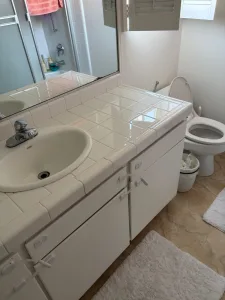
Not every plumbing project starts with an emergency. Sometimes homeowners simply want to refresh their bathroom, replace an outdated fixture, or install a more comfortable and efficient toilet.
Toilet replacement is one of the most common bathroom plumbing upgrades. While it may seem like a straightforward job, several important details can affect how well the new toilet performs over time.
It’s More Than Just Swapping Toilets
A proper toilet installation starts with checking the existing plumbing connections and the condition of the toilet flange.
The old toilet needs to be removed carefully, and the existing wax ring or other seal must be replaced. The new toilet should sit securely on the floor without rocking.
The water supply connection also needs attention. Older supply lines and shutoff valves may show signs of wear, making replacement worth considering during the installation.
Why Proper Installation Matters
Even a small installation mistake can lead to problems later.
An improperly sealed toilet can allow wastewater to leak around the base. Loose mounting can cause movement that damages the seal. Poorly connected water supply fittings may develop leaks.
Some leaks are immediately visible, while others can go unnoticed and gradually damage the flooring or subfloor.
Taking the time to check these details helps reduce the risk of future repairs.
When Should You Replace Your Toilet?
A toilet doesn’t necessarily need to be broken before you replace it.
Homeowners often choose a new toilet because they want:
A more modern bathroom appearance
Improved flushing performance
Better water efficiency
A more comfortable bowl height
A replacement for an aging or damaged fixture
A new toilet can be a relatively simple way to improve a bathroom without undertaking a complete renovation.
Can You Install a Toilet Yourself?
Many homeowners can handle a straightforward toilet replacement if the existing flange, flooring, shutoff valve, and drain are in good condition.
However, installation becomes more complicated when the flange is damaged, the floor is uneven, the shutoff valve leaks, or the new toilet doesn’t fit the existing layout.
If you’re unsure about the condition of the plumbing connections, having the installation checked by a professional can help prevent avoidable problems.
Final Thoughts
Bathroom improvements don’t always need to involve major remodeling.
Replacing an old toilet can be a practical upgrade, especially when the existing fixture is inefficient, uncomfortable, or showing signs of wear.
Whatever model you choose, proper installation is just as important as the toilet itself. A secure, properly sealed installation helps protect your bathroom and keeps everything working as expected.