The Top 10 Signs Your Home Needs Emergency Plumber ASAP

The Top 10 Signs Your Home Needs Emergency Plumber ASAP

Ensuring that your plumbing is in top-notch condition is crucial for maintaining a safe and comfortable living environment. However, plumbing issues can arise unexpectedly, causing disruptions and potential damage if not addressed promptly.
 
That’s why it’s essential to be aware of the signs that indicate a need for emergency plumbing services. From sudden water pressure drops to burst pipes and sewage backups, recognizing these indicators can save you from costly repairs and inconvenience down the line.
 
In this article, we’ll explore the top 10 signs your home needs an emergency plumber on call ASAP. So, if you notice any of these warning signals, don’t hesitate to take action and contact a professional plumber to tackle the problem head-on.

1. Sudden Water Pressure Drop

Curious to know when to call a plumber? If you’ve ever turned on your faucet or shower, expecting a strong flow of water, only to be met with a weak trickle instead, you’ve experienced a sudden water pressure drop. This frustrating experience is often a clear indication that something may be wrong with your plumbing system.
 
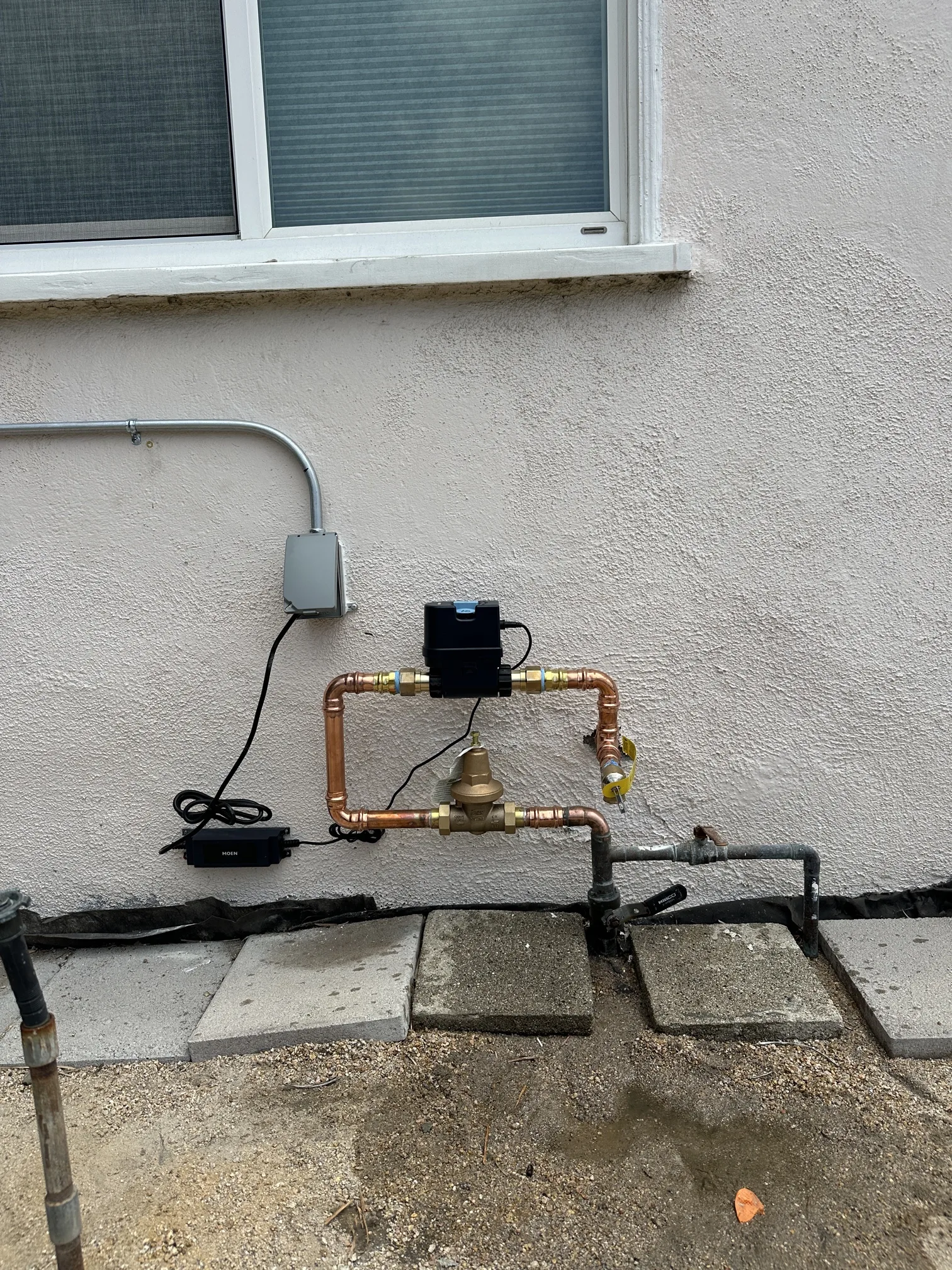
Sudden water pressure drops can stem from various issues, such as pipe leaks, clogged pipes due to sediment or debris buildup, malfunctioning pressure regulators causing fluctuations, problems with the municipal water supply, corroded pipes, issues with the water heater, such as sediment accumulation or malfunctioning heating elements, or faulty valves restricting water flow.
 
Understanding the causes and implications of sudden water pressure drops is crucial for maintaining the functionality and efficiency of your home’s plumbing.
 
Being aware of these potential causes enables you to address sudden water pressure drops promptly, ensuring the smooth operation of your plumbing system. You can do this with emergency plumbing repairs.

2. Burst Pipes

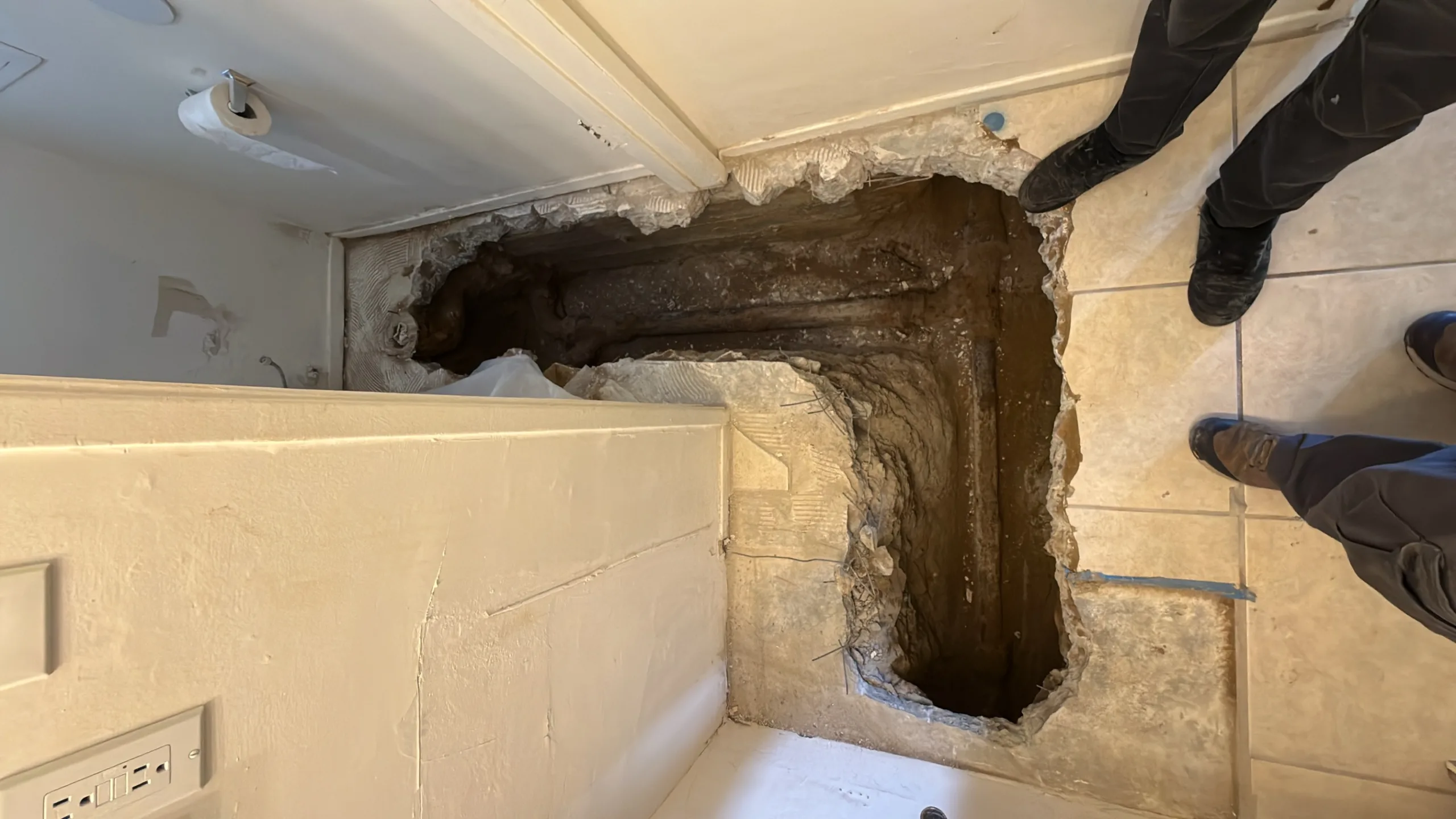
Burst pipes are a homeowner’s nightmare, causing extensive water damage and disrupting daily life. If you’re wondering what is a plumbing emergency, burst pipes are one of them. They often occur due to freezing temperatures, which cause water inside pipes to expand and burst.
 
Corrosion weakens pipes over time, making them susceptible to bursting, while high water pressure strains the plumbing system. Additionally, clogged pipes from debris buildup can lead to blockages and bursts.
 
Aging pipes in older homes and physical damage from construction or tree roots also increase the risk. Proper installation and maintenance, including monitoring for damage and upgrading to durable materials, are crucial for preventing burst pipes.
 
Before you have this problem, it’s important that you contact reliable plumbers immediately. Moreover, make sure you’ve asked yourself questions regarding these plumbers, such as, ‘do plumbers work at night?’, ‘do plumbers work on weekends?’, ‘do plumbers work on Sundays’?
 
You save yourself from a lot of trouble if you have someone to call for plumbing emergencies.

3. Sewage Backup

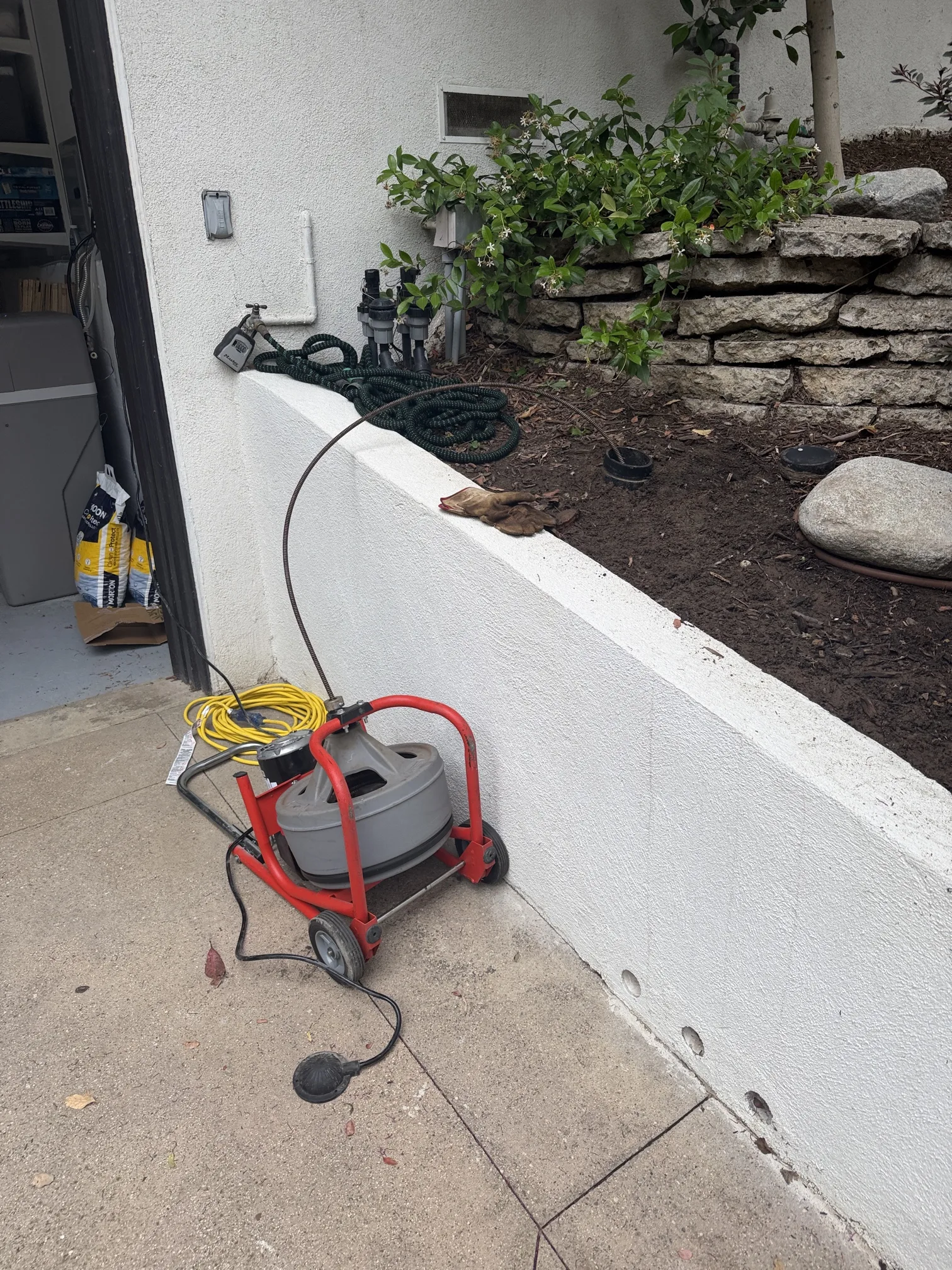
Sewage backup is a nightmare for homeowners. It poses significant health risks and wreaks havoc on properties when blockages in sewer lines force sewage to overflow into homes through drains and toilets.
 
Common causes include tree roots, grease buildup, and foreign objects flushed down toilets. Heavy rainfall or flooding can overwhelm sewer systems, leading to backups. Malfunctions in municipal sewage systems, like pump failures or damaged pipes, can also result in backups.
 
Additionally, clogged drain lines and structural damage to sewer lines within properties contribute to sewage backup. Proper maintenance, including regular drain cleaning and inspection of sewer lines, is essential for prevention.

4. No Hot Water

No hot water is a frustrating inconvenience that disrupts daily routines, from showers to dishwashing. Typically, the culprit is a malfunctioning water heater. Issues like a faulty heating element, sediment buildup, or a malfunctioning thermostat can hinder water heating.
 
Gas water heaters may experience pilot light problems. Meanwhile electric ones can face electrical issues like tripped breakers or faulty wiring. Sediment buildup in the water heater tank reduces efficiency, remedied by regular flushing.
 
Incorrect thermostat settings or an undersized tank can also lead to insufficient hot water. Gas supply issues can affect gas water heaters’ performance. Understanding these causes helps restore hot water functionality and ensure household comfort.

5. Persistent Clogs

Are you wondering when to call a plumber for a clogged drain? Persistent clogs in plumbing fixtures are more than just an inconvenience. They disrupt daily routines and pose the risk of water damage. These persistent blockages often stem from various factors.
 
Debris buildup, incorrect toilet usage, and invasive tree roots wreak havoc on plumbing systems. Even aging or damaged pipes can play a role, trapping debris and exacerbating clogs. Additionally, the presence of hard water deposits further restricts water flow, exacerbating the problem.
 
Accidental disposal of foreign objects down drains only compounds the issue. Furthermore, inadequate drain ventilation contributes to slow drainage, exacerbating the situation.
 
However, there’s hope! You can do regular maintenance practices. These may be proper cleaning, appropriate toilet use, and targeted treatments for tree roots that can effectively prevent clogs.
 
Furthermore, you can take proactive measures to mitigate clogging issues significantly. These may be inspecting and replacing old pipes, installing water softeners, and employing drain covers.
 
In cases where prevention falls short, making a plumber service call ensures proper drain ventilation to prevent clogs. It ensures not only the resolution of current clogs. It also the implementation of proper drain ventilation measures to prevent future blockages.

6. Leaking Fixtures

Leaking fixtures like faucets, toilets, and showerheads are more than just a nuisance—they waste water, increase bills, and can damage your home. Causes include worn seals, loose components, high water pressure, corrosion, improper installation, and deteriorated caulk or grout.
 
Aging fixtures are also prone to leaks. Regular inspection and maintenance, including tightening components and replacing corroded parts, prevent leaks. Installing a pressure regulator helps maintain optimal pressure.
 
Proper installation by a qualified plumber and timely replacement of old fixtures are essential for leak prevention.

7. Strange Odors

Strange odors from plumbing fixtures aren’t just unpleasant—they signal potential issues requiring prompt attention. Sewage odors may indicate sewer line or drainage problems. Meanwhile, musty odors suggest mold growth from leaks or inadequate ventilation.
 
Sulfuric odors resembling rotten eggs could signal hydrogen sulfide gas in water, requiring treatment. Chemical or metallic odors indicate water contamination from pipe corrosion or heavy metals.
 
Decaying food odors point to drain or garbage disposal buildup, while animal odors may signal pest infestations. Rotten wood odors hint at water leaks and structural damage, necessitating inspection and repairs. Addressing these odors promptly ensures a healthy and odor-free home environment.

8. Water Heater Malfunction

A malfunctioning water heater disrupts daily routines, leaving you with cold showers and frustration. Signs include lukewarm water, strange noises, leaks, rusty water, no hot water, increased energy bills, and age-related issues.
 
Malfunctions may stem from heating element or thermostat problems, sediment buildup, leaks, or corrosion. Prompt maintenance and inspection identify and address issues early. Flushing the tank, inspecting components, and contacting a professional plumber are essential for diagnosis and repair.
 
Aging water heaters nearing their expected lifespan may require replacement to avoid further issues. Regular maintenance and efficiency upgrades optimize performance and reduce costs.

9. Frozen Pipes

A malfunctioning water heater disrupts daily routines. It leaves you with lukewarm water, strange noises, leaks, fluctuating temperatures, or no hot water at all. Causes include heating element or thermostat issues, sediment buildup, leaks, or corrosion.
 
Troubleshooting and maintenance can identify and resolve these problems. Flushing the tank, adjusting settings, and seeking professional assistance are essential steps. Rusty or discolored water indicates corrosion, requiring tank flushing and inspection.
 
Aging water heaters nearing their expected lifespan may need a replacement for improved efficiency and performance. Regular maintenance and upgrades ensure reliable hot water availability.

10. Frozen Pipes

Frozen pipes pose a significant risk during winter, potentially leading to costly bursts and water damage. Causes include freezing temperatures, poor insulation, drafts, lack of heating, and outdoor exposure. Insulating pipes, sealing gaps, and maintaining consistent heating prevent freezing.
 
Disconnecting outdoor hoses and shutting off supplies before winter protects outdoor pipes. Thawing and refreezing increase stress on pipes, requiring precautions to prevent bursts.
Signs of frozen pipes include reduced water flow, frost on pipes, strange noises, and visible damage.
 
Acting quickly upon detection prevents bursting and damage, ensuring a hassle-free winter. If you have this plumbing problem, make sure to contact trusted and reputable plumbing companies right away.

Take Charge of Your Plumbing Protection

Your home’s plumbing system is vital for everyday comfort. However, emergencies like burst pipes or sewage backups can disrupt your life and drain your wallet. Understanding the signs and causes of these issues empowers you to take proactive measures.
 
Regular maintenance, such as inspecting for leaks and cleaning drains, is crucial for preventing emergencies. Additionally, stay alert for warning signs like strange odors or fluctuating water temperatures.
 
Consider partnering with a reputable commercial plumber like Pacific Plumbing Team for expert guidance and tailored solutions. Whether it’s routine maintenance or emergency repairs, a trusted plumber ensures your peace of mind.
 
Don’t wait for a disaster—act now to safeguard your plumbing. Investing in prevention today saves you time, money, and stress tomorrow. Remember, protecting your plumbing means protecting your home’s comfort and functionality for the long haul.
Pacific Plumbing Team Service Car with Logo & Company Name Printed
Your Partners in Plumbing Solutions

Don't let a clogged sink disrupt your daily routine. Contact Pacific Plumbing Company today for efficient and reliable solutions. Our experienced team is ready to tackle any plumbing challenge, providing prompt service and peace of mind. Let us handle the clogs so you can get back to what matters most.

Top 5 Tips for Preventing Plumbing Emergencies at Home

Preventing Plumbing Emergencies: Essential Tips for a Hassle-Free Home

Are you ready to stop problems before they happen? Read more about the importance of preventing plumbing emergencies and how you can protect your plumbing system. We’ll provide you with five essential tips to get your home in great shape to prevent any sort of emergency plumbing issue that could occur.

How to prevent plumbing problems?

5 Tips To Prevent Plumbing Emergencies in Your Home:

  1. Assess and Fix Leaky Faucets and Pipes: Leaky faucets and pipes may seem like minor issues, but they can lead to significant water waste and even cause damage over time. Inspect your faucets and pipes regularly for any leaks and promptly fix them. Remember, a small drip today could turn into a major headache tomorrow.
  2. Maintain Your Drains to Prevent Clogs: Clogged drains are a common plumbing issue that can disrupt your daily routines. Avoid pouring grease, food scraps, or hair down the drains. Install drain screens to catch debris and clean them regularly. If you notice slow drainage, address it promptly to prevent a complete blockage.


3. Protect Your Plumbing During Winter Months: Freezing temperatures can wreak havoc on your plumbing system. To prevent frozen pipes, insulate exposed pipes, especially those in unheated areas. Disconnect garden hoses and use insulation covers on outdoor faucets. During frigid nights, let faucets drip to keep water flowing.

4. Watch for Warning Signs of Plumbing Issues: Stay vigilant for warning signs of potential plumbing issues, such as unusual odors, slow drains, water stains, or unusually high water bills. Addressing these early can save you from costly repairs down the road. Don’t ignore even seemingly minor signs that something might be amiss.

5. Know When to Call a Professional Plumber: While DIY maintenance is essential, some plumbing tasks require professional expertise. When facing complex issues, sewer line problems, or major plumbing installations, it’s best to call a licensed plumber, like us! We have the skills, experience, knowledge, and tools to handle the job correctly and ensure long-lasting results. Give our team a call or send us an email if you are in need of professional help. 

Pacific Plumbing Team Service Car with Logo & Company Name Printed

Plumbing Company in West Los Angeles

Protect your home from plumbing disasters! Follow these tips and schedule regular plumbing maintenance with our expert team today. Here at Pacific Plumbing Team, we offer a variety of plumbing services to fit your needs.

What to do in a plumbing emergency?

Emergency Plumbers in LA

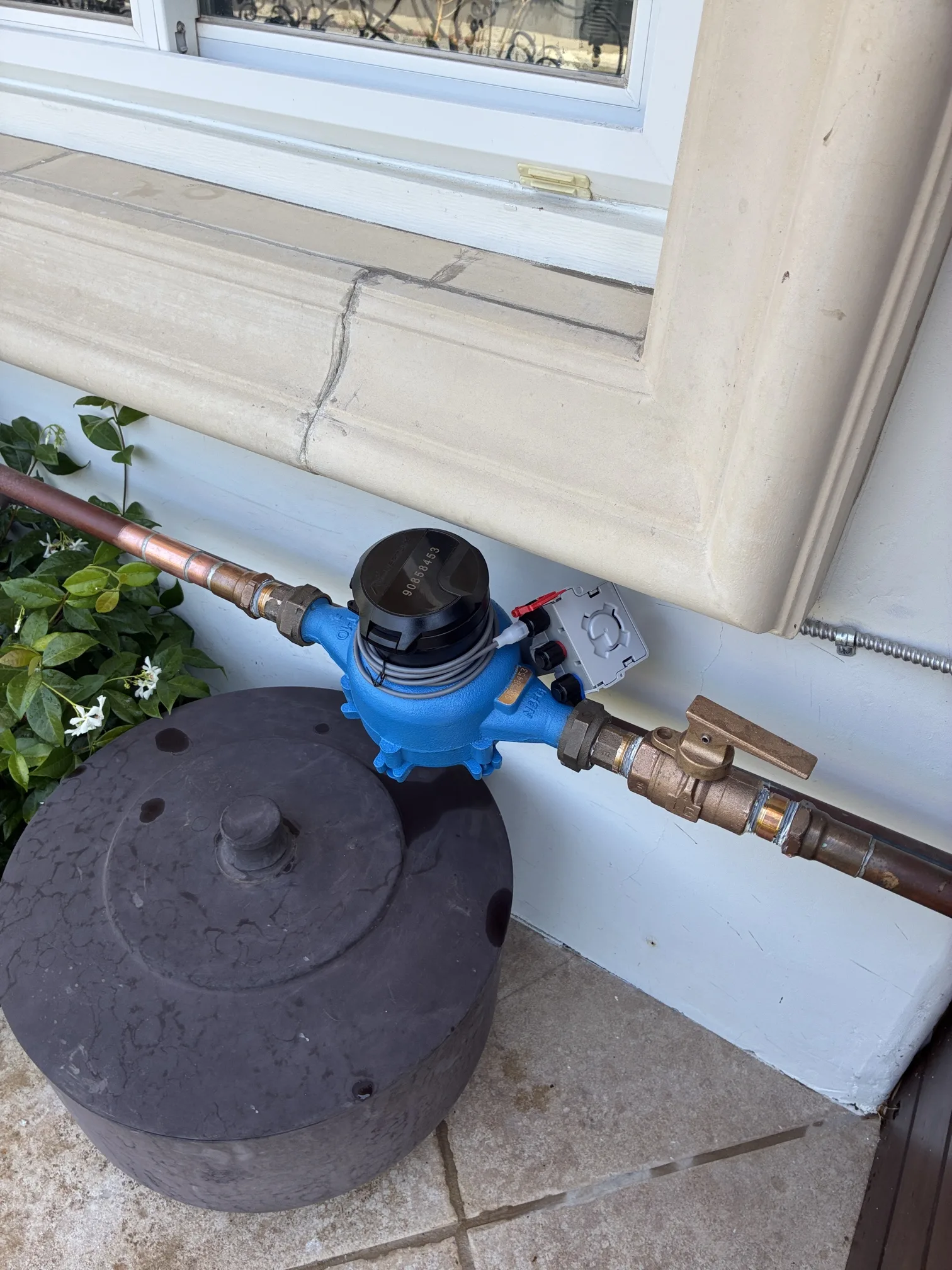
The most important rule for plumbing emergencies is to act quickly and shut off the water supply. Locating and turning off the main water valve is crucial to minimize water damage and flooding. This should be done as soon as possible to prevent further issues while waiting for a professional plumber to arrive. Remember, safety should always be a priority, so if the situation poses a risk, evacuate the area and contact emergency services if necessary.

What do you do when a plumbing emergency happens?​

common plumbing emergency is an emergency gas hot water repair situation.

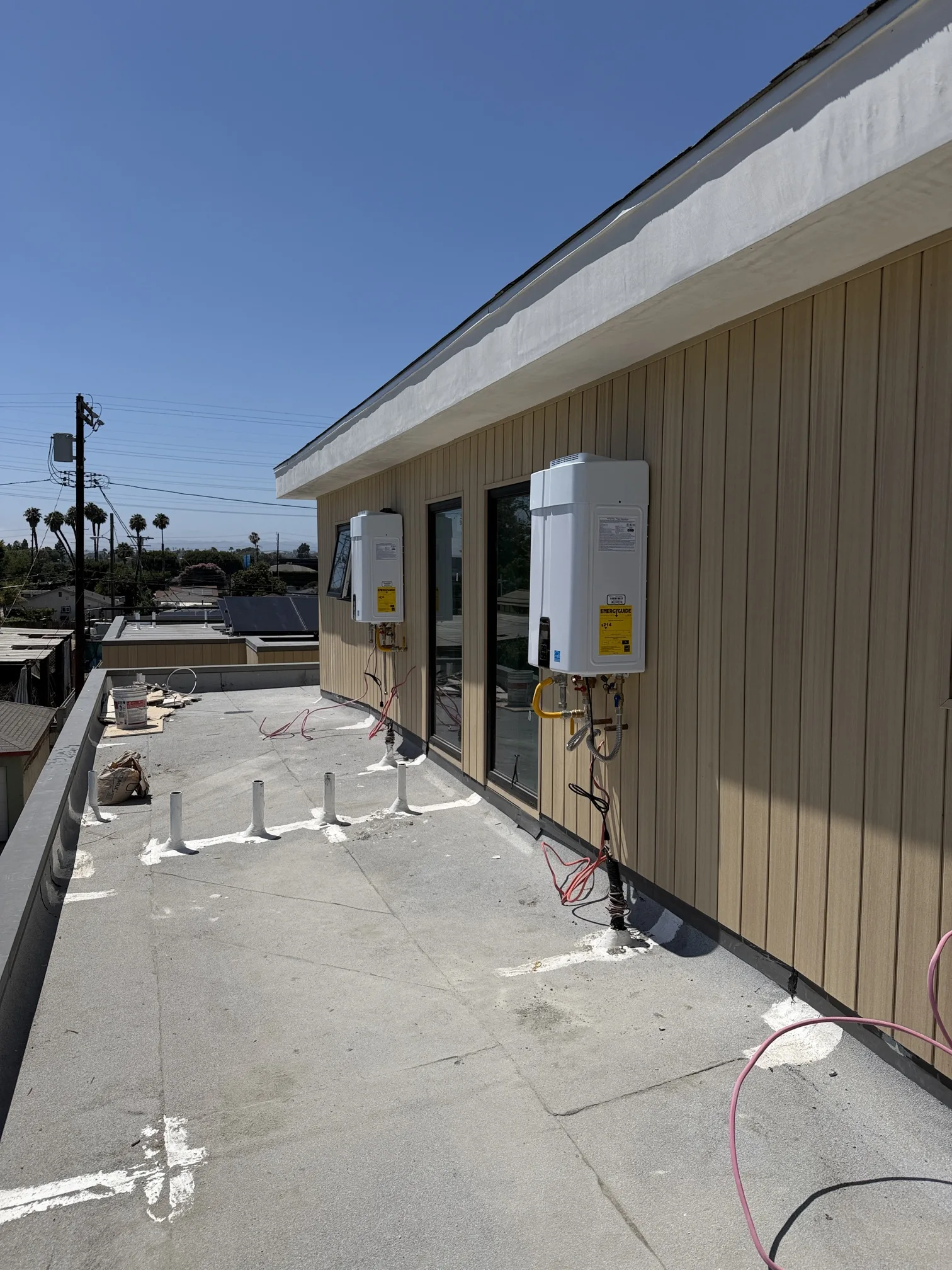
When faced with this, swift action is crucial to ensure safety and restore hot water supply. First and foremost, prioritize safety by turning off the gas supply to the hot water system. This can usually be done at the gas meter or a dedicated shut-off valve near the unit. Next, shut off the water supply to prevent any further water damage or leaks. It is highly recommended to reach out to a licensed gas plumber or a professional hot water repair service immediately. They have the expertise to diagnose and fix the issue, whether it’s a faulty gas valve, a pilot light problem, or any other gas hot water system malfunction. Prompt professional assistance ensures a quick resolution and minimizes inconvenience, allowing you to regain access to hot water efficiently and safely.

Need an emergency gas hot water repair near you? Look no further than the Pacific Plumbing Team. Contact us today!

Common Plumbing Emergencies​

The most common plumbing emergencies include:

  • Burst pipes: This occurs when a pipe suddenly ruptures or cracks, leading to significant water leakage. It can cause flooding, water damage, and disrupt the water supply.
  • Clogged drains or toilets: A severe blockage in the drain or toilet can result in overflowing water, sewage backup, or slow drainage. This can lead to unsanitary conditions and inconvenience.
  • Water heater failure: A malfunctioning or leaking water heater can cause a sudden loss of hot water, potential flooding, or even a risk of scalding if the temperature becomes uncontrollable. It requires immediate attention to avoid further damage or discomfort.

If you’re experiencing any plumbing emergencies, contact our team today! We’re available by phone 24/7.

Emergency Plumbing Company Near Me

Pacific Plumbing Team offers same-day, emergency plumbing services from licensed plumbers for gas lines. Just give us a call!