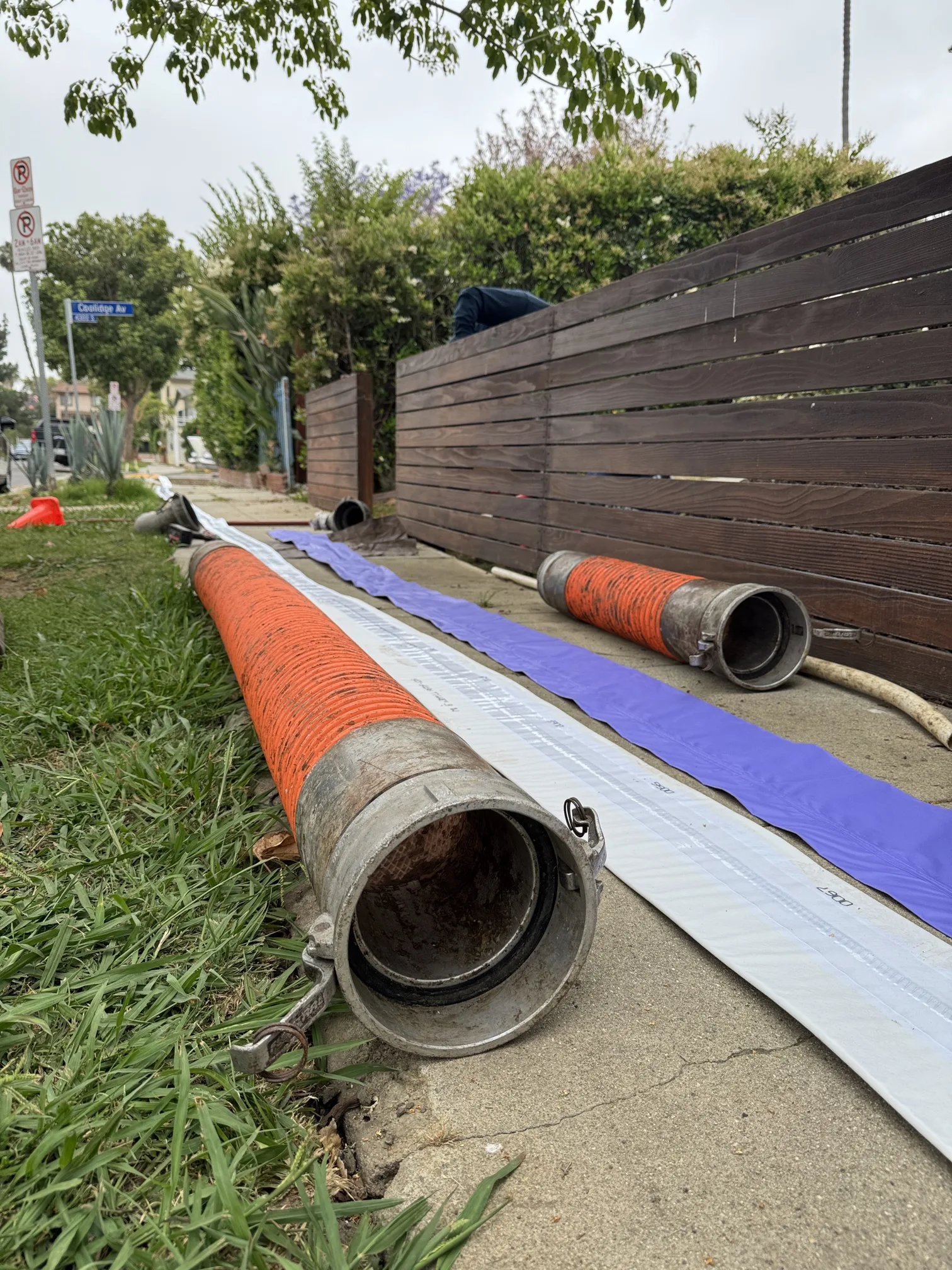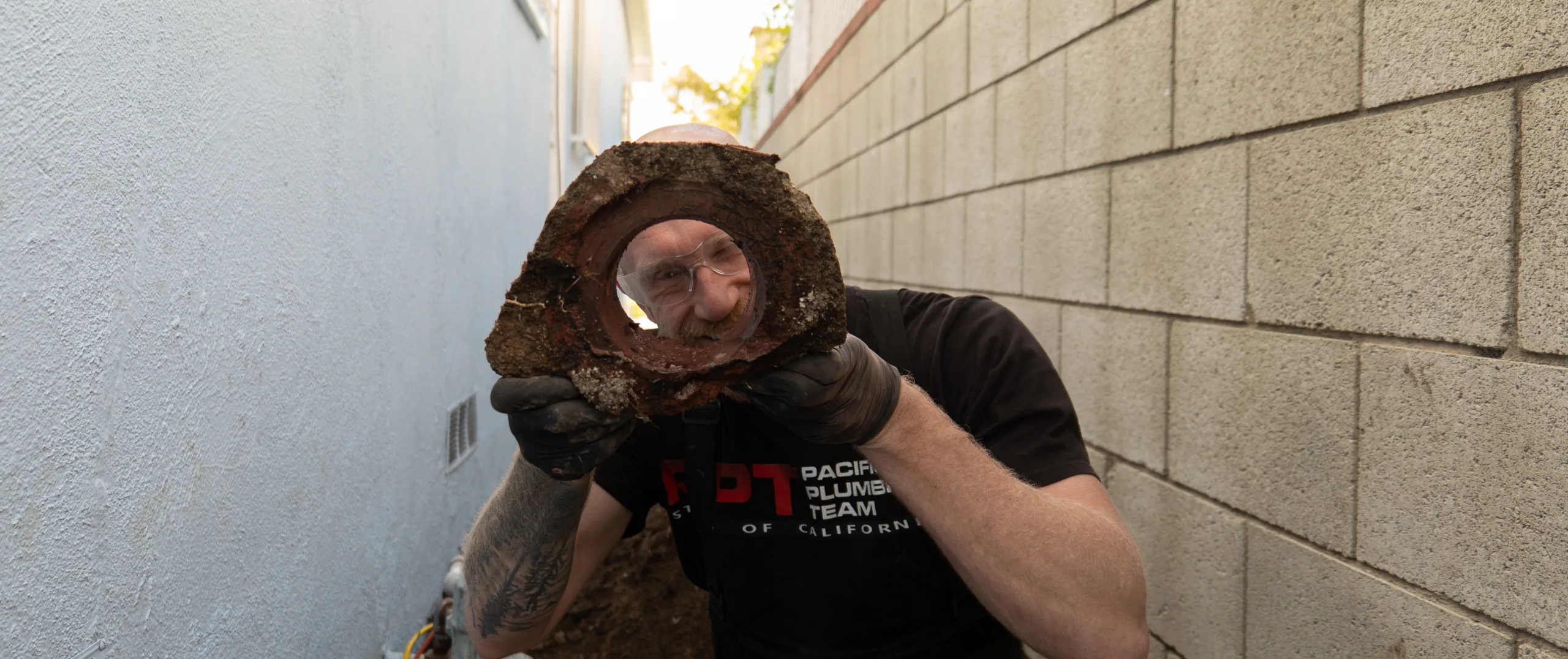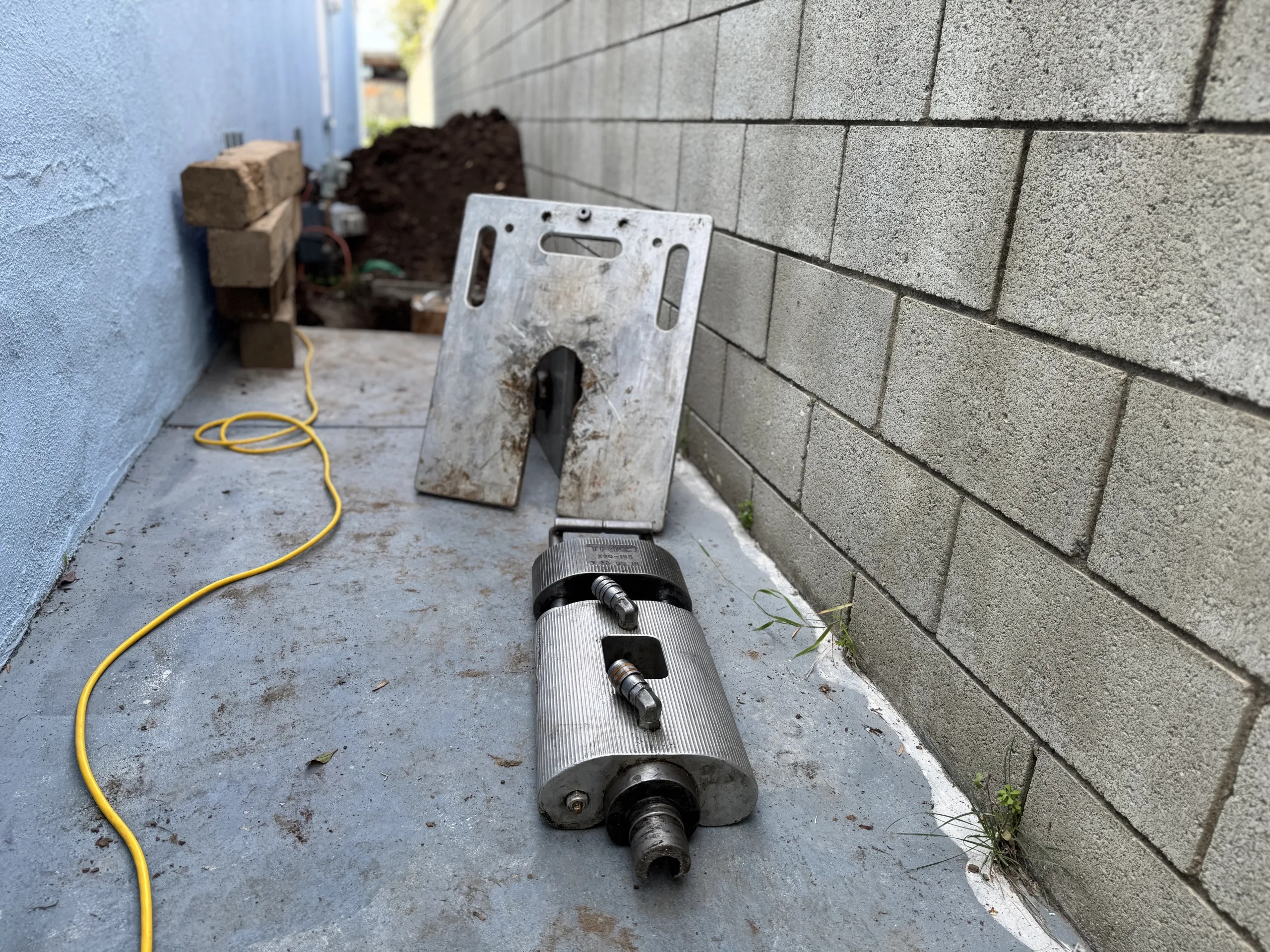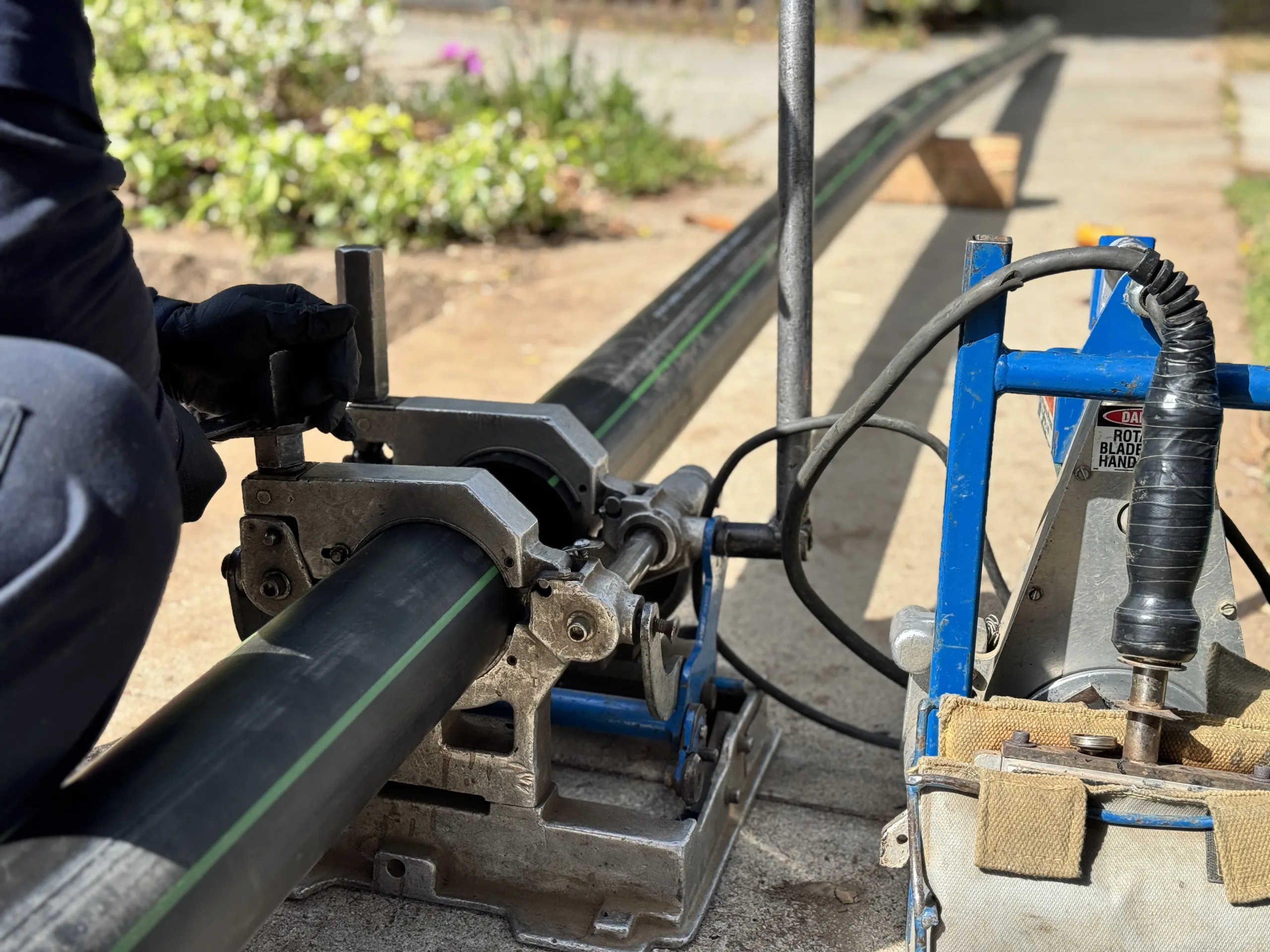
Trenchless Pipe Repair – From Inspection to Finish in Los Angeles!

Trenchless Pipe Repair – From Inspection to Finish in Los Angeles!

We recently helped a homeowner in Los Angeles who noticed slow drains and a persistent foul smell coming from their yard.

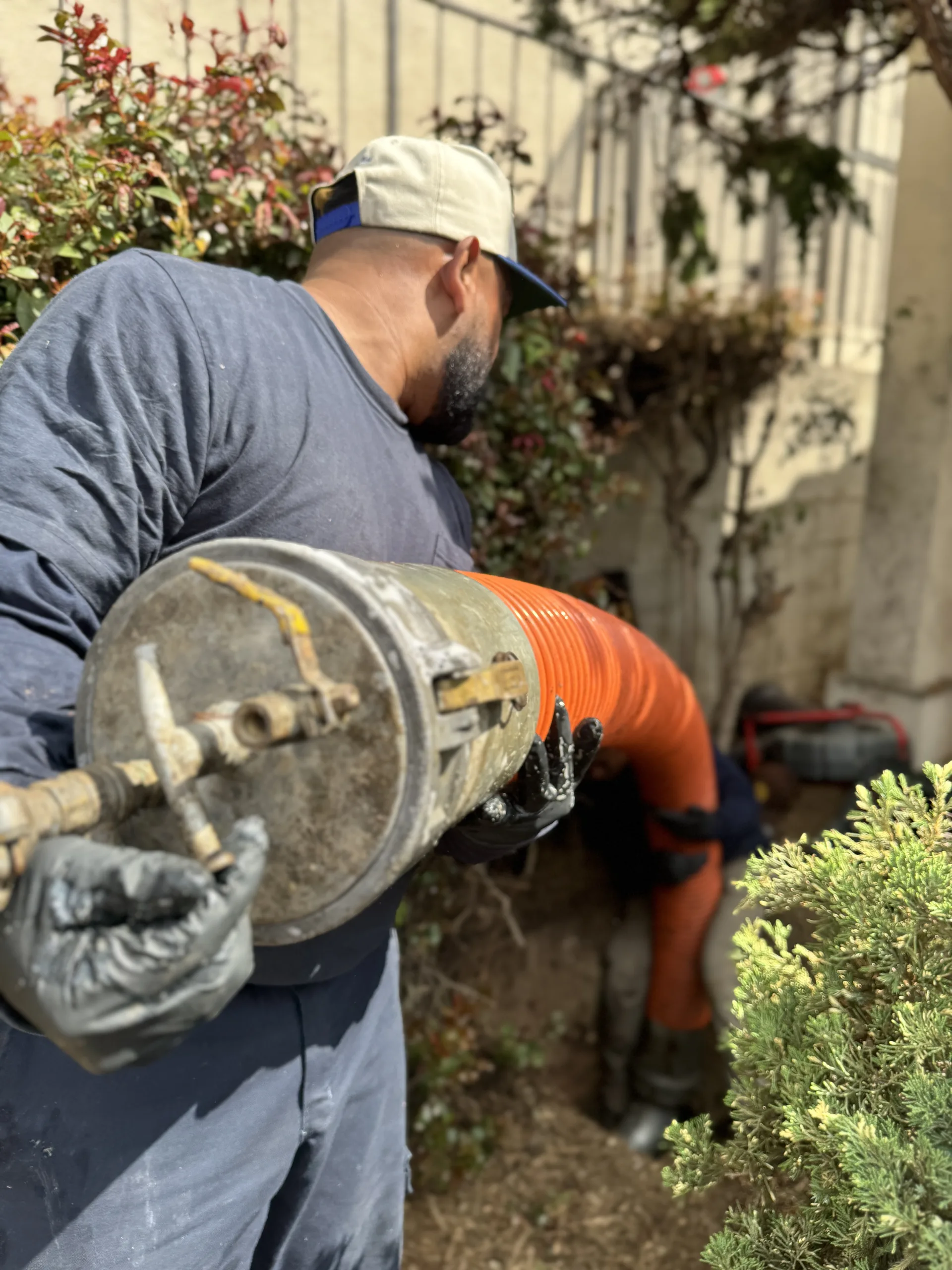
Our team began with a sewer camera inspection and deep cleaning to locate the issue — and sure enough, we found a cracked section of the main sewer line leaking underground.

Using trenchless technology, we were able to repair the pipe from the inside, sealing the damage with a durable liner — all without digging up their lawn or hardscape.

✅ Project Overview:

Plumbing Issues: Cracked sewer pipe, odor in yard, slow drainage

Location: Los Angeles

Turnaround Time: 1 day

What We Delivered:

  • Thorough inspection + cleaning

  • No trenching or surface damage

  • Root- and corrosion-resistant liner

  • Local pros with 10+ years of experience

📍Serving Los Angeles, Culver City, Beverly Hills & nearby areas.

📞 Call now for a free estimate — plus get 10% off trenchless repairs this month!
Culver City Trenchless Pipe Repair – Fast, No-Dig Solution for Sewer Damage

Culver City Trenchless Pipe Repair – Fast, No-Dig Solution for Sewer Damage

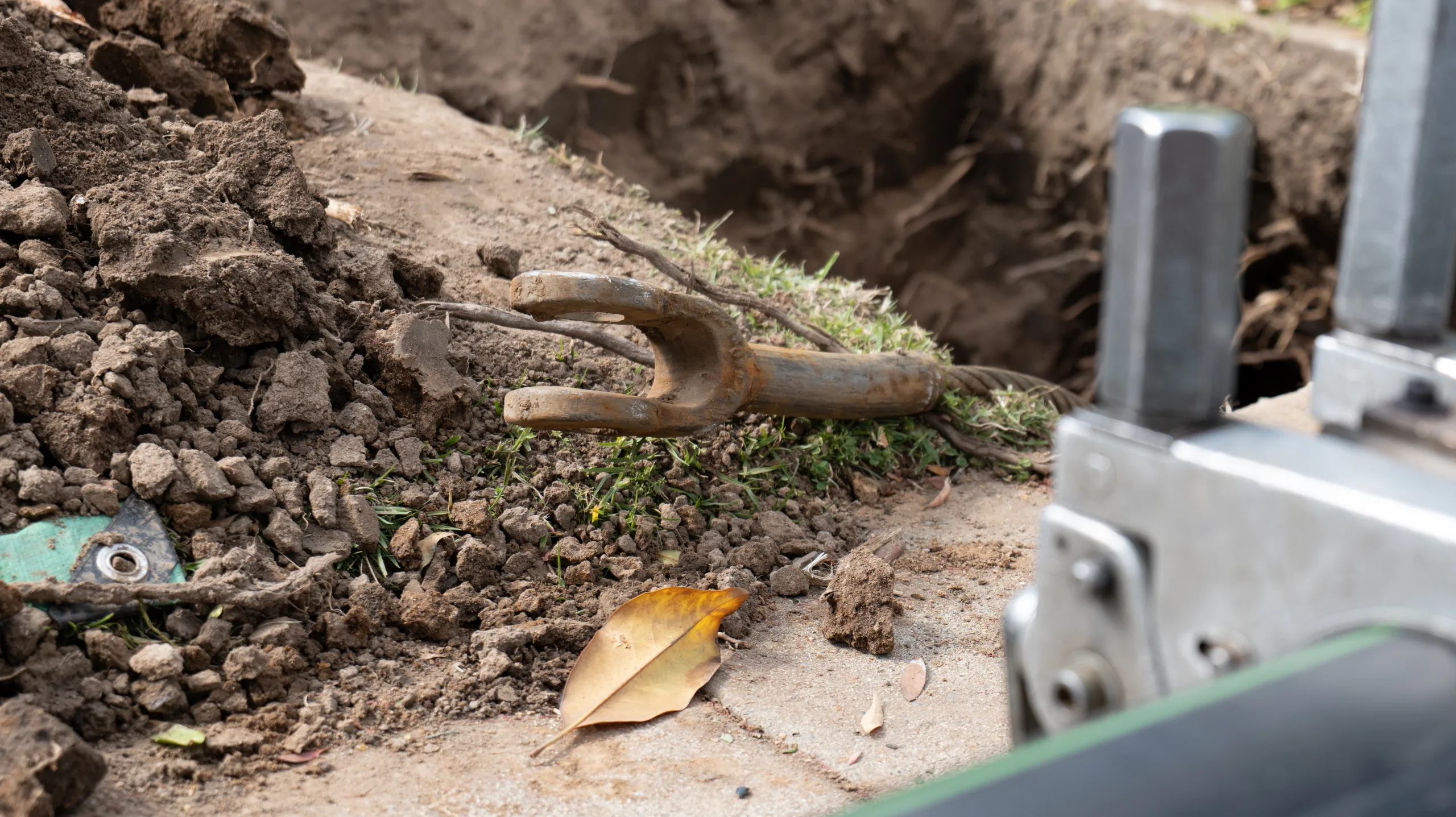
Our team recently helped a homeowner in Culver City who called after experiencing frequent clogs and bubbling noises from their bathroom drains. A video pipe inspection showed a break in the old clay sewer pipe under the lawn, caused by soil movement and age.

We used trenchless pipe repair to fix the break internally—no need to dig up the lawn or walkways. The job was done in just one day, and the family’s plumbing was back to normal immediately.


Project details:

Plumbing Issues – broken pipe, bubbling drains, frequent clogs

Location – Culver City

Turnaround time – 1 day


✅ No digging or landscape damage

✅ Fast, one-day repair

✅ Long-lasting, seamless liner

✅ Experienced local professionals

We serve Culver City, West LA, and nearby neighborhoods.

📞 Call now to schedule your free estimate + save 10% on trenchless pipe repairs!

Beverly Hills Trenchless Pipe Repair – Seamless Fix Without Digging

In Beverly Hills, a homeowner contacted us after repeated backups and slow drainage throughout their home. Our diagnostic camera inspection revealed a failed pipe joint under a mature tree in the yard. Digging wasn’t an option due to the landscape and root system.

We performed a trenchless repair, sealing the damaged joint internally with a strong, root-resistant liner—without any digging or damage to the yard. The repair was completed in a single day with no disruption to the homeowner’s property.


Project details:

Plumbing Issues – failed pipe joint, recurring backups, tree root risk

Location – Beverly Hills

Turnaround time – 1 day


✅ No trenching or tree damage

✅ Durable internal pipe seal

✅ Fast and clean service

✅ Licensed, insured, and trusted locally

Serving Beverly Hills and surrounding West LA neighborhoods.

📞 Call today for a free estimate + 10% off all trenchless pipe repairs this month!

Pipe Bursting – No-Dig Sewer Repair in Beverly Hills!

Pipe Bursting – No-Dig Sewer Repair in Beverly Hills!

A homeowner in Beverly Hills started noticing bad smells, soggy patches in the yard, and toilets that wouldn’t flush right. The cause was serious — massive tree roots had broken through their old clay sewer pipe, buried right under their carefully maintained landscaping.

We fixed it without digging everything up. Using trenchless pipe bursting, we broke the old pipe underground and pulled in a brand-new one. No mess. No ruined yard. Just a fast, clean fix that will last for decades.

Project details:

Plumbing Issues – tree roots in pipe, sewer smell, yard flooding

Location – Beverly Hills

Turnaround time – 1 day

✅ Landscaping stayed perfect

✅ Everything done in one day

✅ New pipe is root-proof and long-lasting

✅ Licensed, local & experienced

We help homeowners all over Beverly Hills, West LA, and nearby neighborhoods!

📞 Call us today for a free estimate + 10% off trenchless pipe bursting this month!

Trenchless Pipe Bursting in Los Angeles – Fast Sewer Replacement Without Digging!

Trenchless Pipe Bursting in Los Angeles – Fast Sewer Replacement Without Digging!

In Los Angeles, a family had a serious problem: nothing was draining, and the sewer line had collapsed right under their driveway. Normally that means tearing up concrete—no fun and very expensive.

Luckily, we had a better solution. We used pipe bursting to replace the pipe without touching the driveway. We broke the bad pipe underground and pulled a brand-new one into its place. Quick, clean, and zero surface damage.

Project details:

Plumbing Issues – total sewer collapse under driveway

Location – Los Angeles

Turnaround time – 1 day

✅ No digging through concrete

✅ Fixed in just 1 day

✅ Strong new pipe that lasts for decades

✅ Trusted pros with local experience

We serve Los Angeles, Culver City, Beverly Hills, and surrounding areas!

📞 Call now for a free estimate + get 10% off pipe bursting work this month!

Pipe bursting - Pipe Repair Without Digging in Culver City!

Pipe bursting – Pipe Repair Without Digging in Culver City!

A family in Culver City was having trouble with slow drains, smelly yard, and yucky backups! It turns out they had a very old, rusty pipe under their yard. Many older houses in Culver City have these kinds of old problems.

Instead of digging up their whole yard, we used something called trenchless pipe bursting. It’s like magic! We put a new, strong pipe right where the old one was, and the old pipe broke apart underground. We didn’t have to dig up their grass, walkway, or driveway!

Project details:

Plumbing Issues – slow drains, smelly yard, and yucky backups

Location – Culver City

Turnaround time – 1 day

✅ No mess to clean up in the yard

✅ Fixed in just one day!

✅ New pipes are strong and stop tree roots from growing inside

✅ We are local and know what we are doing!

We help people in Culver City, West LA, and places nearby!

📞 Call us now for a free estimate! Plus, get 10% off pipe bursting this month!

How Plumbers Detect and Repair Hidden Water Leaks in Your Home

How Do Plumbers Detect Hidden Leaks in Your Home

Leaks cause homeowners significant damages plus a hefty water bill. That’s why detecting a leak in the house early is crucial. Professional plumbing experts play a big role in leak detection, especially for ones that are not visible.

There is a difference between a regular plumber and a leak detection specialist. The latter use specialized tools and techniques to find hidden leaks within and outside your homes.

Since it is not uncommon to have leaks around, we’ll talk about how to find leaks in the house and repair them without causing damage to our property.

Signs You Have a Water Leak in Your Home

Plumbers Detect and Repair Hidden Water Leaks in Your

Leaks are not always visible to the naked eye. Often, they are hidden between walls, underground even. So how do we know we have a leakage going on? Here are signs you should look out for:

Increase in Water Bills

It is almost possible to confirm a leak when your water bill suddenly has an increase from the usual average. If you’re using water just as usual without any changes in your consumption, but your bill says otherwise, then it’s time to call the plumber.

It can be hard to tell if the increase is not that of a significant amount. But it is something you should not overlook. The most common cause of increased bills is leaking toilets – the quick solution is to change the flapper inside the tank or the flush ball.

Visible Foundation Damage

If you notice damage in your foundation, there is probably an underlying water leak. One of the most daunting issues a homeowner can face – foundation leaks can threaten the structural integrity of your home. The hydrostatic pressure a leak can create may push the foundation and cause cracks. Thus, compromising your safety.

Wet Flooring or Pooling Water

Water seeping through your floor can be caused by a leak or a pipe burst. This visible sign should be addressed immediately as this can damage your flooring, walls, and even the appliances and furniture that might get wet.

Damp or Moldy Walls

Mold and mildew are the result of too much moisture in the air. If your walls start having a buildup of mold, then there is a possible leak behind it. Some molds release toxins that can be a health risk for you and your family.

Leaking Sounds

Water flows through your main water lines all the time. But you can’t hear it because your pipes are closed when you’re not using them. However, if that system develops a leak, you will start hearing running water sounds. Depending on the leak size, the sounds can be a gush or droplets of water.

Musty Odors

When you notice an unclean, possibly moldy smell inside your home, a leak comes to mind. This smell can be an earthy smell of rotten wood caused by mold and dampness. Most likely, somewhere with wooden flooring or walls has already been damaged by water.

Low Water Pressure

Water leakage can cause your water pressure to drop. No matter how big or small the leak is, there will always be a difference from the normal water pressure you have in your home.

Sagging Ceiling

Water damage can cause your ceiling to sag. Apart from sagging, other signs your ceiling has sustained a leak problem are stains or discoloration, peeling paint, and cracks or bubbles. Broken pipes in between levels must be repaired quickly to avoid further damage.

Causes of Water Leaks

Leaks in your water system can be a result of a variety of causes. This problem doesn’t only cause you damage and increase water bills, it also wastes water and encourages unwanted organic growth inside your home.

The main causes of leaks are the following:

  • Corrosion – old galvanized pipes should be replaced especially when they turn out to be rusty. Corrosion can eat your pipe away and start a leaking problem.
  • Clogged lines – clogged pipes can lead to overflowing of water, or worse, bursting lines. There can be many causes of clogging within your water lines, limescale included, especially in areas with hard water.
  • Broken seals – when water appliances like your dishwashers are installed, a seal is placed on the water connector. As your appliances age, the seal breaks off or wears out, mainly causing a leak between the connections.
  • Damaged pipe joints – pipe joints are the weakest point of a water line. It deteriorates over time and can cause leaks. Unfortunately, these joints aren’t always visible since they can be under the floor, behind walls, or placed underground.
  • Excess water pressure – excessive or uneven water pressure can strain your pipes. Most faucets and pipes have a pressure limit and too much can cause bursting or leaking water.
  • Tree roots – underground leaks can be caused by protruding tree roots within your water line. If you notice wet patches in your yard or a puddle and a sinkhole, you most likely have an outdoor leak.
  • Loose connectors – hoses and pipes can become loose and may lead to leakage. Shifting motions usually cause this – like when your washing machine or dryer spins.
  • Temperature change – extreme temperature changes can cause pipes to expand contract. This creates cracks within the pipes especially when the pipes freeze during winter.

Importance of Leak Detection

Homeowners like you must understand that early leak detection can save you and your family from risks and costs. While leaks can be inevitable in each home, locating and detecting leaks in the early stages can save you 3 important things:

  1. Time – undetected water damage can put you and your family at risk. When you are exposed to a home with an underlying water leak, it’s a matter of time until someone gets sick from the toxins from molds that form within.
  2. Money – the damages of water leaks to your home can be alarming especially when the leak sustained is in a hidden area that can take you long to notice. Your appliances can be ruined, the structural integrity of your walls and ceilings might be compromised, and your pipes will surely need replacements – all of which can cost you a few hundred to thousands of dollars.
  3. Effort – cleanup and repairs take a lot of effort from homeowners. Hiring professional cleaners can be expensive on top of the plumbing issues you must address. And honestly, taking care of the mess a water leak leaves can be draining.

Professional Methods to Detect Leaks

How does a plumber find a water leak underground? – If you have this question in mind, then reading through the blog will give you the answer.

Huge plumbing issues like water leak detection are better left to the experts. They have special plumbing leak detection equipment to detect the problem without causing any harm to your property. And because of the expertise they already have, locating the leak will be easier.

So, how do plumbers find leaks? The answer is the following methods and techniques.

Visual Inspection

Our licensed leak detection plumbers generally start with a visual inspection to see if there are any visible signs throughout your home. Their expert skills and intuition help them ​​analyze the signs and symptoms of water leaks. This expertise allows them to locate, assess, and repair your water leaks quickly to prevent any further damage.

Water Pressure Testing

This method, also called isolation testing, allows plumbers to observe water pressure movement, usage, and loss within your water system. A water pressure gauge is attached to a fixture connection where the flow will be observed and tested.

Video Pipe Inspection

With the use of a specialized camera, our plumbers at Pacific Plumbing Team can detect inaccessible pipe leaks through a video pipe inspection. No demolition is required for this method.

This works by the camera attached to a scope rod that is manipulated and maneuvered around your water system. Once inserted into the pipe, our technician will observe the live video feed on the linked monitor to locate the water leak.

Audio Equipment

We use a series of audio equipment to listen to leaking sounds through drywalls, cabinets, and other obstructions. These tools include listening discs, ground microphones, and deck plates that are powerful enough to listen through concrete and brick walls.

Thermal Imaging Cameras

Heat scanners or thermography cameras can allow plumbers to detect leaks behind walls and through floorboards. This is an effective way to look at large areas quickly when the use of audio equipment is impractical.

Soil Probe

Also called pipe probes, allow plumbers to detect underground leaks in the sewer and main water lines.

Dye Testing

We use this method to detect water leak problems related to the toilet or pool systems. This is a non-invasive way to trace leak locations. A high-visibility dye is used to observe the flow of water.

Calling the Experts in Leak Detection and Repair

By now, you understand that locating and solving leak issues are not really for a DIY-er or an inexperienced homeowner. You should also note, that before searching for plumbers, not all of them have the right tools and expertise to solve the leak problem.

Calling the right people for the job is extremely important.

We, at Pacific Plumbing Team, specialize in water leak detection and repair. With the right tools, our expert specialists can help you with same-day service to stop the leaking problems in your home.

Our emergency plumbing services are available to Los Angeles residents as well as nearby areas. Let’s assess your water leaks by giving us a call today!

Why You Should Hire a Plumber to Install a New Garbage Disposal System

Why You Need a Plumber to Install a Garbage Disposal System

Garbage disposal systems have been part of home appliances most homeowners depend on. The increased use of this tool helped save people time and effort in cleanup. Installing one correctly can be a complex task, and therefore, better left with an experienced plumber.

This has become an alternative to manually scraping down leftovers and sending them to landfills or composts. Reducing waste on your end while saving you energy is promising. So today, we’ll talk about the garbage disposal system, its pros and cons, and whether or not this should be installed inside your home.

What is a Garbage Disposal System?

A garbage disposal system allows busy homeowners like you to scrape dirty dishes and leftovers straight into the sink without having to worry about clogging the pipes.

This unit is usually mounted on the side of the sink and is designed to collect the food waste that goes into its grinding chamber. When you turn on the disposal, a spinning disc turns rapidly, thus resulting in pulverized food that can get washed away with water.

Installing Your Garbage Disposal System

Hire a Plumber to Install a New Garbage Disposal System

Installing a garbage disposal unit can be easy for experienced DIYers. However, it can become challenging for newbies or inexperienced handymen.

If you’re wondering, why do I need a plumber to install a garbage disposal? The answer is simple: Yes, you do. The installation process can be complex and confusing, and getting a garbage disposal plumber will make your life easier.

More than the installation, a plumber can pretty much help in all kinds of work around your garbage disposal and plumbing services.

  • Who installs garbage disposals? Plumbers!
  • Do plumbers replace garbage disposals? Yes!
  • Do plumber fix garbage disposals? Another, Yes!

Reasons to Hire a Plumber for Installation

The ease and convenience experts offer for garbage disposal installation is incomparable. We list down 3 main reasons why hiring a plumber is your best choice.

Expert Advice

A garbage disposal is a plumbing tool and therefore should be installed by a plumber. They are technically more knowledgeable on this appliance than anyone and they could advise you which one can best fit your home and lifestyle.

Save Time and Money

You can save time and money when you hire a plumber instead of someone else. You get to pay for one service instead of two. This is because when a plumber does the installation, they also connect it straight to your plumbing system.

Proper Installation and Troubleshoot Issues

Hiring a plumber ensures your unit is properly installed. They can also help tackle any complex problems that may arise during and after the installation.

Types of Garbage Disposals

There are primary two types of garbage disposal systems – batch feed and continuous feed disposals. Both are excellent options to make your life easier and cleaner, with the main difference being how they are installed and how they operate.

Batch Feed Garbage Disposals

This type of disposal is a total kitchen workhorse – it can handle a lot of food scraps at once. Though it’s not common to find these at most homes, the safety features it offers are an impeccable choice if you have kids around.

Since it’s a large-type disposer, the motor is well-insulated and works quietly compared to others. There is no activation switch for this one, the only way to use this is to close the stopper over the drain. Works great in protecting your fingers, and avoiding objects from falling into the hidden shredder ring and impellers inside.

The batch feed disposal works by putting in the food waste and water and then closing it with the magnetic stopper to start the operation. Food debris remains within the hopper providing you with a cleaner kitchen.

Continuous Feed Garbage Disposal

This unit, on the other hand, lets the user multitask. As the name suggests, you can continuously feed the garbage disposal unit while the motor is running. This can be a cost-effective option since they are more affordable than a batch feed unit.

Since continuous feed units allow you to drop in wastes as it run, its chamber is not as big as a batch-feed unit. The drain is also left open for this purpose. This type of disposal is more common in households because of its size which fits most apartment units.

Unlike batch-feed units that run by putting in the magnetic stopper, continuous feed disposals are controlled by either the classic switch, which requires an electric switch to be installed near the kitchen sink, or by an air switch.

Things You Should Never Put in Garbage Disposals

It can be confusing as to what to put and not put in your garbage disposal. However, being mindful of using it will definitely help prolong the lifespan of your unit. Garbage disposals run for an average of 10 to 12 years, and to maximize this time, you should know what goes in and not of your system.

Meat and Bones

Meat should not be put in your disposer – it can stick on the sides, rot, and stink up your sink. Meat remnants should be thrown away in the trash instead. Bones, except for small fish bones, should also stay away from your disposal. Your unit is not strong enough to grind bones and putting them in can destroy the whole garbage disposal system.

Starchy Food

Rice, pasta, oatmeal, and bread can’t go in your disposer as well. These starchy foods expand when wet and can become gelatinous which will eventually block up the drain.

Grease, Oil, or Cooking Fat

With or without a garbage disposal unit, you should never pour this over the drain – not even with hot water. When oil becomes cold, it solidifies, and later on can block your pipes causing a mess and possible plumbing issues.

Fibrous Foods

Pumpkin, chard, celery, kale, lettuce, artichokes, and asparagus are some of the most common fibrous foods you should avoid putting in your kitchen disposer. Their stringy material can possibly tangle up and jam the unit. If this accidentally happens, you should unclog your garbage disposal immediately.

Shells, Nuts, and Peels

All kinds of nuts, egg shells, and vegetable peels should stay away from your disposal as well. These bits can dull the blades inside and clog the unit. Also, avoid putting corn husks, fruit pits, and cores.

Coffee Grounds

These grounds can clump up together when wet and form a mass that can clog your disposer.

Non Food Items

Always do a quick check on the items you would be putting at your disposal before turning it on. This will prevent accidents with stray spoons, forks, napkins, or other nonfood items from going into the disposer.

Pros and Cons of Having a Garbage Disposal

Here are the advantages and disadvantages of disposers. Let’s assess if the convenience of a garbage disposal for homeowners outweighs the drawbacks.

Pros:

  • Convenience – clean up after cooking and meals is relatively faster and easier with using a garbage disposal system. With this, small amounts of food debris can be scraped down directly into the sink without having to throw it in the trash.
  • Waste reduction – 20% of garbage that goes into landfills comes from households. And the food waste that goes into the disposer is waste that’s kept away from the landfill.
  • Drain and pipe protection – the garbage disposer installed in your sink prevents food debris from blocking and clogging your drainage and pipes.
  • Cost-effective – the average household will probably spend around $125 to $300 for a disposer. With proper installation and maintenance, this unit can last up to 10 years.
  • Easy to maintain and operate – garbage disposals are relatively easy to use and maintain – just follow the manufacturer’s instructions and you’re good to go.

Cons:

  • Careful use – despite the name, a garbage disposal is not a trash can. You can’t simply put any kind of food waste into it. How you run it should matter as well, because this predetermines the lifespan your disposer will last.
  • Regular maintenance – like any other appliance you have at home, your garbage disposal will need to be cleaned and properly maintained to keep working properly. Grinding ice cubes made of vinegar or lemon can freshen up your disposer.
  • They can clog, jam, or break – with all the stuff that goes into the disposer, it’s almost inevitable to keep it from clogging, jamming, or breaking. A quick fix can sometimes be a simple press of the reset button, or at more difficult issues, a call to the plumber.

Choosing the Right Garbage Disposal for Your Home

The best type of garbage disposal is one that fits your kitchen sink, use, and budget. The right one can vary from one home to another – depending on your circumstances and preferences.

Some features you should consider before buying are:

  • Motor size
  • Material
  • Brand
  • Quality
  • Warranty
  • Noise Level
  • Septic System Enzymatic Reservoir

If you don’t know what to choose, we suggest you call a professional plumber to install a garbage disposal unit that will fit your kitchen and lifestyle perfectly.

Need any garbage disposal help? Who to call for garbage disposal repair? Well, we’re here to cater to your plumbing needs.

The number 1 in Los Angeles – Pacific Plumbing Team. We offer all kinds of plumbing installations including garbage disposal services. Our team of experienced professionals is ready to take on the job.

You’re one call away from getting professional plumbing. Get your phone and make the call today!

The Importance of Water Heater Maintenance

The Importance of Water Heater Maintenance

Your water heater is probably the most essential plumbing fixture inside your home—from your laundry and dishwasher to showers. It’s a necessity in every modern home.

Apparently, most homeowners overlook the importance of maintaining their heaters. It’s always when a problem shows up that they realize a repair is needed. In this blog, we talk about maintaining your water heater and how to do it.

Kinds of Water Heater

A water heater’s maintenance routine may vary depending on its kind. There are several kinds of water heaters, and each functions slightly differently.

Let’s discuss the types of water heaters and how they function:

Tank Water Heater

This kind of heater is designed with a tank and a heating element that can store hot water until it’s needed. It is probably one of the most affordable options on the market. The tank size can vary from 30 gallons to 80 gallons of water. Typically powered by electricity or gas, it actively heats water until it reaches a certain temperature.

Tankless Water Heater

With a short series of super-heated coils, this heater can rapidly heat water as it passes through – providing an endless supply of hot water. Commonly used in smaller homes like apartments, condos, and townhouses, this heater is just half the size of a standard tank heater.

This heat-on-demand device is a popular option due to its size. It doesn’t waste gas or electricity, heating up only when you use it. Tankless hot water heater maintenance may be slightly different from that of a tank heater.

Point-of-Use Water Heater

As its name suggests, a point-of-use water heater provides heating to only one plumbing fixture. Unlike the first two we mentioned, it doesn’t provide heating for the whole house. This option is rather inexpensive and doesn’t take up much space. You can find both a tankless and one with a small water tank for point-of-use devices.

Solar Water Heater

Utilizing solar energy as its source of power, a solar water heater does not need electricity or gas. If you’re after lower utility costs in the long run, investing in a solar water heater is essential. This kind of heater has a relatively large insulated tank where hot water is stored until it’s needed for use. You have the option to install this on your roof with the solar panels it comes with or in another place in your home. The only downside is the price point – since you have to shell out a higher amount of money upfront.

Hybrid Water Heater

A hybrid water heater does not require a direct fuel source. It uses a heat pump to draw heat from underground and air. This water-heating method uses less power, up to 60% less than a conventional tank heater. This water heater is not recommended for areas with cool climates, as it relies on ambient heat. Additionally, it can be more expensive than regular heaters and can take up more space in your home.

Combination Boiler Heater

A single-unit appliance that is designed to heat your home and water that is used in various plumbing systems throughout the house. It distributes hot water across baseboard radiators or floor systems. Depending on the specific system it uses, a combination boiler heater can also distribute steam to heat the home. Since it is compact and has low operational costs, it’s a great choice for smaller homes that require year-round heating.

Condensing Water Heater

This type of water heater is highly energy efficient due to its system that takes advantage of unused waste gas fumes. When natural gas is burned by the furnace, the heated waste gas is funneled into a coil to heat the stored water inside the tank. These heaters can keep utility bills low and offer a high level of energy efficiency. However, they are typically available as larger units than the average conventional tank heater.

Signs You Need a Repair

(insert an image of a technician fixing or doing something on a water heater]

As we said earlier, unless you consistently do preventative maintenance on a hot water heater, you won’t really know if there’s an underlying problem until it presents itself. This section helps you understand the possible issues your water heater might have.

Visible Issues

  • Rust in water – Discolored water can indicate rust and corrosion inside your tank. This can also mean a possible sediment or limescale build-up which is common in areas with hard water.
  • Corrosion on the tank – Seeing visible rust or corrosion on your tank is definitely an issue as it can also be present on the inside.
  • Water leaks – If unchecked, small water leaks could lead to bigger problems. Remember, leaking water can do all kinds of damage in the exposed area. Leaks can be caused by a variety of reasons, such asold tanks, faulty relief valves, lack of maintenance, and sediment buildup.
  • Foul odor – If there is a noticeable foul order coming from your water or a metallic flavor to it, it means there are bacteria present, and your anode might need a change.

Performance Issues

  • Inconsistent water temperatures – A failing heating element or thermostat can lead to temperature inconsistencies. If you experience these fluctuations, they’re indicative of internal heater problems you have to look out for.
  • Reduced supply – If you run out of hot water than usual, your heater may need to be replaced or serviced. This kind of issue can be more complex than what it seems to be. To be sure, call the professional in water heater repair. 
  • Strange noises – Rumbling or popping sounds indicate sediment buildup, at the least. Take a look as soon as you hear noises to prevent further damage to your heater.
  • Overheating – If you notice your unit is hot to the touch, it means it’s overheating, and the problem can be in the ventilation system or tank insulation.

How to Maintain Your Water Heater

(insert image of plumber fixing a heater)

Hot water heater maintenance should be a routine given the frequent usage of your home or office units. These, like any other investment, need to be maintained.

A tank water heater can last up to 12 years, and a tankless heater, up to 20 years. And for tanks to reach this ideal age, homeowners should not forgo maintenance and annual checks on their units. Keeping a water heater maintenance checklist for your home can come in handy in the long term.

Preventive maintenance on a hot water heater includes flushing the unit, checking or changing the anode rod, inspecting for sediment or rust buildup, and testing the thermostat and valves.

Sounds intimidating right? That’s why we suggest to hire a professional plumber instead.

Essential Tools You Need

For basic tank and ​​tankless water heater maintenance, you’ll need a set of tools. The first step is to gather everything you need before starting any maintenance on a water heater – this saves you time and effort.

  • Water hose
  • Bucket
  • Adjustable and pipe wrenches
  • Screwdriver
  • Teflon tape
  • Safety gloves and goggles

Safety Precautions

Water heater preventive maintenance comes with a set of safety precautions. Your top priority should always be your safety. Working with water heaters can cause harm and injury if not done correctly. Don’t hesitate to call us, if you need help with plumbing.

  • Unplug power source. For electric water heaters, switch off the circuit breaker and unplug the outlets. For gas heaters, turn the gas valve into a “pilot” position.
  • Turn off the water supply. Locate the valve from your main water line and shut it down – you don’t want an instant waterpark in your home.
  • Allow water to cool. After turning off the power, allow the water inside the tank to cool before performing a maintenance check.
  • Wear protective gear. The use of safety goggles and gloves is always a must in any kind of maintenance work.
  • Ensure proper ventilation. If you have a gas heater, make sure the area is well-ventilated as a buildup of gas can be harmful.

Annual Maintenance Check

While homeowners like you can perform rudimentary inspections, there are scenarios when you just have to call for water heater service done by professionals. Maintenance on tankless water heater should be quick as well as gas water heater maintenance.

Water heater maintenance cost is not much if you compare it to a bigger problem. The only times it can cost you a lot is when your heater problems involve replacement parts and substantial issues like leaks and rusting, have escalated to another level.

Prevent Heater Problems

Doing your maintenance checks religiously will surely prevent any heater problems in the long run.

Remember to integrate preventive maintenance tasks:

  • Create a schedule for maintenance tasks – Prepare a routine check-up for your heater. You may do it weekly, monthly, or annually, whichever suits you best.
  • Document tasks – If you notice sediment buildup, include flushing in your next maintenance schedule. This prevents you from overlooking areas that will need your attention soon.
  • Set reminders – Since you already have documentation from your previous check, it’s essential that you set reminders on your phone or calendar to enable you to stay consistent with your maintenance routine.

When to Call Professional Plumbers

Maintaining your water heater is critical in saving you both money and time. Making maintenance a part of your routine can definitely help in making your appliance last longer.

While homeowners can inspect their home heaters, don’t hesitate to call the professionals if complex problems persist. If you’re looking for a plumber in Los Angeles, Pacific Plumbing Team offers quick solutions to all kinds of plumbing problems. Contact us today and we’ll send our plumbing expert in as fast as 1 hour!

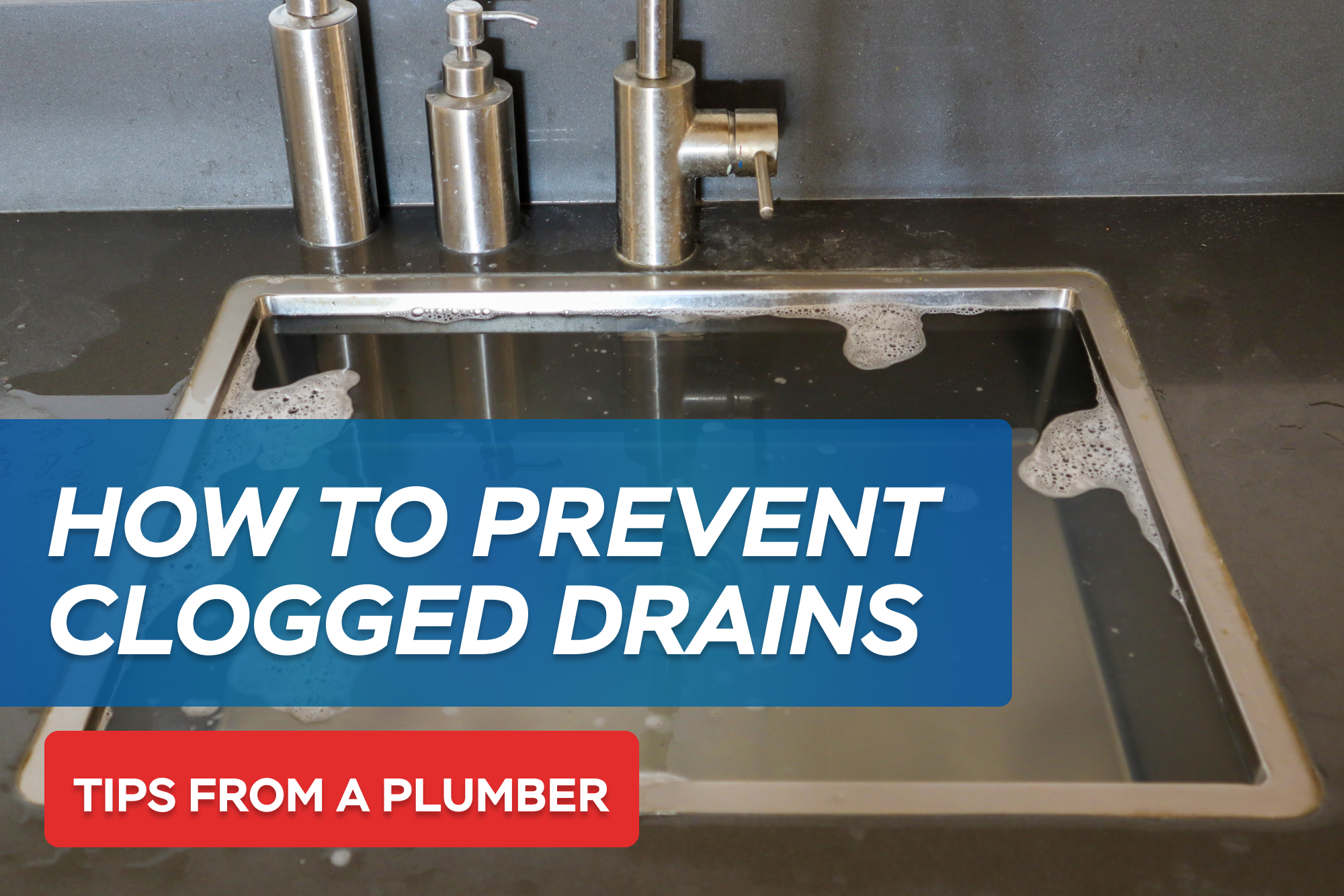
How to Prevent Clogged Drains

How to Prevent Clogged Drains? A Guide for Homeowners

Clogs are one of the main reasons homeowners like you call a plumber. We all know how it is such a hassle to deal with clogging, whether in the kitchen or bathroom, or even outdoors. It’s not just inconvenient; it also causes stress when it results in flooding, corrosion, and sewage backups.

Imagine cleaning up all that mess just because of a clog. And no, clogs are not just because of nasty hair clumps—there are a ton of other things you might not realize. Issues in plumbing disrupt your routine and chores and pose risks for you and your family.

Drain clogging seems inevitable, as what clogs our drains are exactly the things we allow to pass them. Today, we’ll discuss the common causes of clogged drains, how to unclog them, and how to prevent clogging in the future.

Signs You Have a Drain Clog at Home

The problem with homeowners like us is that we only notice a household issue when it is already visible and present. Instead of thinking ahead about how to prevent drain clogs, we usually just wait until a problem persists.

The most visible sign you will notice when you actually have a clog is when your water drains slower than it normally would. Or, at a higher level, water isn’t going down the drain at all. This could be dangerous especially when you’re in the shower and the floor gets more slippery.

Other signs you have to look out for:

  • Unpleasant or foul odors coming from your sink, toilet, bathtub, or shower.
  • Backflow from toilets or drains.
  • Presence of drain or fruit flies.
  • Bubbling sounds coming from your pipes.
  • Standing water around your property.
  • Unusual rust buildup on your drains and toilets.

When any of these signs start to get noticeable, it’s confirmed! You have a clog happening, and you need to call a professional like the Pacific Plumbing Team!

Common Causes of Clogged Drains

Aside from the slow or no drainage at all, you will also have to deal with the stinky sewage smell that can build up due to the blockage. It sounds dreadful to clean up and deal with, right?

Let’s jump in and talk about the common causes of drain clogging:

1. Scum from Soap Products and Toothpaste

You may not realize it, but bar soaps are made from animal derivatives, and like toothpaste, they can create a thick film on the walls of your pipe that traps down other debris. When fat mixes with minerals in water, plus the debris from a lot of other stuff, a clog starts to happen.

Consider using a body wash or liquid hand soap instead of the goodie-old bar one to avoid scum from clogging down your drains.

2. Oil and Grease

Most people pour small amounts of cooking fats and grease down the kitchen sink every day. Thinking this wouldn’t be harmful as they’re just in “small amounts.” What you don’t realize is that these tiny amounts of grease can accumulate and build up inside your drain pipes.

Oil doesn’t stay in liquid form; it hardens once it’s down the drain and can be hard to scrape out. If you have any oil spills that need cleanup, use a paper towel instead of washing it down the drain.

3. Food Scraps

Unfortunately, most people think food items will just wash down the drain. So, they tend to dump food scraps while washing the dishes. However, your garbage disposal isn’t capable of breaking down large amounts of scraps. It is still the best practice to scrape food off your dishes directly to the garbage bin before washing them.

To prevent drain clogs, you must avoid draining wastes like coffee grounds, egg shells, pasta, rice, fruit peels, and large chunks of food.

3. Hair clumps

Human and pet hair are one of the most common culprits of clogging. When hair binds with scum and other sticky substances, they get stuck down your pipe, especially long hair, which can cause more tangles.

Prevent shower drain clogs with drain covers and stoppers. Using these allows you to trap hair before it goes down the drain. Another option is to bathe your furry friends outdoors if possible.

4. Mineral Buildup

This can be a common issue for areas with hard water, or water that has calcium, magnesium, and other minerals mixed in. Minerals can buildup easily along your pipes and create a blockage to your drain. Regularly cleaning your drain pipes can prevent this, still, you need to make time for it. The quickest solution we recommend is getting drain cleaning services instead of doing it on your own.

5. Flushed Trash

Please, please, please refrain from using your toilets as trash cans. Besides, your toilet probably has an actual trash can next to it. Never flush diapers, paper towels, cat litter, dental floss, and feminine hygiene products into your toilet. These can lead to bigger clogging problems soon than you expect.

6. Makeup and Wipes

The powder in certain makeup sticks to substances lining the pipe walls, which become debris. This debris later builds up and forms clogs in your sink. Wipe off any power with a paper towel and dispose of it properly.

Wipes aren’t meant to be flushed. Whether they’re makeup wipes, disposable wipes, or cleaning wipes, they’re not meant for your toilet. Yes, even the so-called flushable wipes can form tough clogs.

7. Foreign Objects

If you have kids, you’re probably familiar with dead goldfish ending up in the drains. Actually, it’s not just a dead fish that goes down; it can be a small ball or a Lego piece blocking your pipe. Whatever it is, the best way to eliminate scenarios like this is to talk to your children about what can go down the drain and what can’t. Oh, and don’t forget drain covers, as small kids might not really understand what you mean.

8. Tree Roots

If you’re experiencing more than one clog in your home, it’s probably a problem with your sewer line. Tree roots often find tiny leaks in your water line, and if they do, it becomes a costly dilemma for any homeowner. These roots can start growing inside your pipes, which not only causes clogging but also damage that will need replacement. For bigger clogging problems like tree roots, it’s best to call a drain cleaner like Pacific Plumbing Team.

Ways to Unclog Drains

If you’re not a plumber, then basically, you have two ways to unclog drains in your home – using chemical or non-chemical solutions. Both can take time and can be a little messy, plus they take a lot of effort from you.

But if you’re looking to solve the problem at its roots, just call our plumber and we’ll do the whole she-bang for you. At Pacific Plumbing Team, we offer homeowners a same-day drain service, which is the best option for sudden clog emergencies.

Chemical vs. Non-Chemical Solutions for Clogged Drains

Chemical clog removers don’t really work as they seem to on the TV commercials we watch. These liquid drain cleaners only work on slow drains and are not suitable for big clogs. In fact, they can pose a risk when you pour them on the drain but cannot dissolve the blockage on their own. It can come into contact with your skin after you use a plunger or a snake.

Non-chemical solutions like boiling water to dissolve grease buildup on your pipe work for temporary unclogging. Soon enough, grease will start to build up again if the pipe isn’t thoroughly cleaned. Plungers and snake drains can be detrimental in some cases, especially if you use them the wrong way. You might be pushing the clogs just further down without really being able to remove them from the pipe.

How to Prevent Drains from Clogging

Clogged drain prevention will always be better than the solution. If you’re tired of facing these plumbing hassles or just too scared to experience even one, remember to note these tips for the best drain clog prevention advice.

  • Use drain covers or stoppers to catch hair and debris.
  • Refrain from pouring oil, grease, and food scraps into your sink.
  • Use toilets only for human waste – throw your trash in the bins, not the toilets.
  • Talk to your children about flushing small toys or dead pets.
  • Use a body wash or a liquid hand soap instead of a bar soap.
  • If possible, bathe your pets outdoors.
  • Regularly check your drains.

Call the Experts in Plumbing

When you’ve tried to exhaust efforts and still can’t solve your clogged drain problem, choose the better way – call a plumbing service.

Remember, before choosing any service provider, you should look for real experts who can help you. Fast, reliable services are the top spot. Second, services shouldn’t cost skyrocketing prices. Lastly, hire a team with proven industry experience.

If you’re in Los Angeles or neighboring areas, Pacific Plumbing Team is your best shot. We offer same-day plumbing service solutions to you ASAP. From installation, repairs, and maintenance, our team of plumbing experts is ready to help.